Electric Scooters for Kids: What Parents Should Check
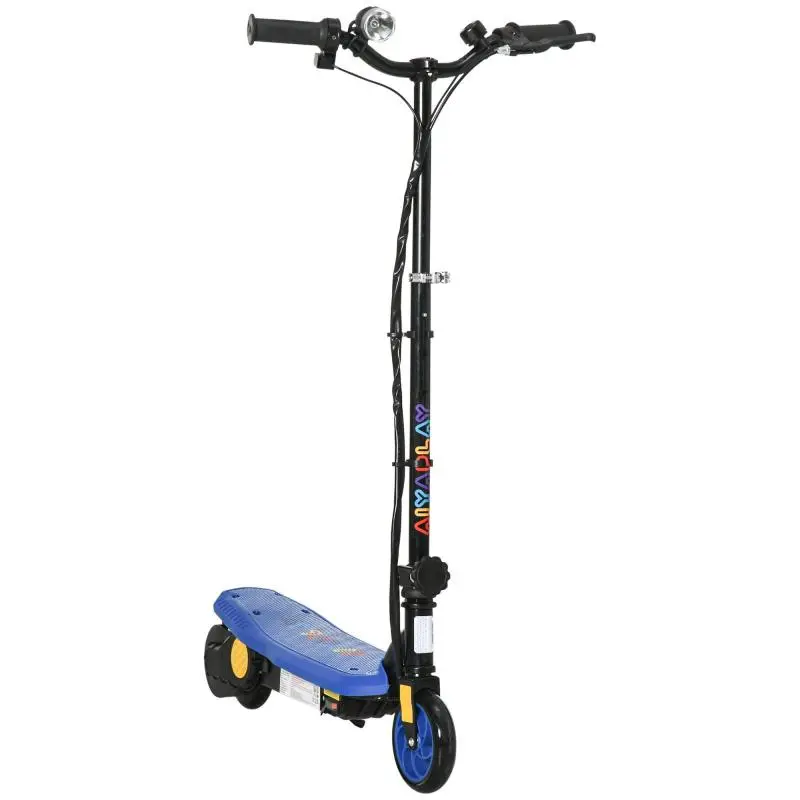
An electric scooter for kids can feel like the ultimate present: a little bit of independence, plenty of fresh air and a lot of excitement. For parents, though, it also raises sensible questions. How fast does it go? How long does the battery last? Is my child ready for one? This guide walks through the practical checks to make before buying a kids' electric scooter, and the habits that help keep riding fun and safe.
Is your child ready for an electric scooter?
Before comparing models, it is worth asking whether your child is ready for powered riding at all. A motor adds speed and weight, and it takes more judgement to control than a kick scooter.
Good signs of readiness include:
- They already ride a standard kick scooter or bicycle confidently
- They brake and steer without having to think about it
- They follow instructions reliably and understand basic road and path awareness
- They are within the manufacturer's recommended age range and maximum user weight
If your child is still wobbly on a kick scooter, it usually makes sense to wait. Confidence on an unpowered scooter is the best foundation for riding an electric one.
Speed: choose controllable, not fast
Kids' electric scooters are generally designed to run at lower speeds than adult models, and many offer more than one speed setting. When comparing options, look for:
- Multiple speed modes, so you can start on the lowest setting and only increase it as skill improves
- Kick-to-start operation on some models, where the motor only engages once the scooter is already moving, which reduces sudden jerky starts
- Smooth acceleration rather than an abrupt surge of power
It is tempting to buy a faster model so it "lasts longer", but a scooter your child cannot comfortably control is a risk, not an investment. Always check the maximum speed stated in the product specifications and decide what is appropriate for your child's age and experience.
Check your local rules
Rules for electric scooters differ considerably across Europe. Depending on where you live, there may be rules about minimum rider age, where e-scooters can be used, maximum speeds, or whether they may be ridden on public roads, pavements or cycle paths at all. Some places restrict privately owned e-scooters to private land. Before your child rides anywhere public, check the current rules with your local or national authority, as they can and do change.
Battery and charging
The battery decides how far the scooter will go and how long it takes to be ready again. When looking at a kids' electric scooter, consider:
- Range – the stated range is usually measured under ideal conditions. Rider weight, hills, cold weather and higher speed settings will all reduce it in practice.
- Charging time – check how long a full charge takes so you can plan around it.
- Battery indicator – a simple display helps avoid running flat halfway home.
Safe charging habits
Lithium-ion batteries need to be treated with respect. Good practice includes:
- Use only the charger supplied with the scooter
- Charge in a dry place, away from heat sources and flammable materials
- Avoid charging overnight or while nobody is at home
- Do not charge a scooter that has been damaged, dropped heavily or soaked
- An adult should handle charging, rather than leaving it to the child
Always follow the manufacturer's instructions for charging and storage.
Brakes, tyres and build quality
Reliable braking is non-negotiable. Kids' electric scooters may use a rear foot brake, a hand brake, an electronic brake, or a combination. Whichever system the scooter has, make sure your child can operate it comfortably with their hand size and strength, and practise emergency stops in a safe, open area.
Other things worth checking:
- Tyres – solid tyres need no inflation and cannot puncture, while air-filled tyres usually give a more comfortable ride on rough surfaces but need occasional pressure checks.
- Frame and folding mechanism – it should lock firmly with no rattles or play.
- Handlebar height – ideally adjustable, so it fits now and later.
- Overall weight – remember that an adult may need to carry it when the battery runs out or on stairs.
- Lights and reflectors – helpful for visibility, though children should not normally be riding in the dark.
Supervision and setting ground rules
An electric scooter for kids works best with clear expectations agreed before the first ride. Adult supervision is essential, especially for younger children and while they are learning.
Useful ground rules might include:
- Ride only in places you have agreed on, such as a quiet park path or private driveway
- Start every ride on the lowest speed setting
- Slow right down near pedestrians, pets and other children
- No passengers – these scooters are designed for one rider
- No headphones or phones while riding
- Stop and walk the scooter across roads
- No riding in rain, on wet leaves or in poor light
Lead by example, and review the rules from time to time as your child's skills develop.
Protective gear for kids on electric scooters
Speed makes protective gear even more important than on a kick scooter. Make sure your child has:
- A well-fitted helmet worn on every single ride, fastened correctly
- Knee and elbow pads
- Wrist guards, particularly for beginners
- Sturdy closed shoes with good grip
- Bright or reflective clothing so they are easy to see
Replace a helmet after any significant impact, even if no damage is visible, and check that it still fits as your child grows.
Frequently asked questions
What age is suitable for a kids' electric scooter?
There is no single answer. Each model has a manufacturer's recommended age range and maximum weight, and many countries or regions also have their own rules on rider age. Check both, and consider your child's experience and maturity as well as their age.
How fast should a child's electric scooter go?
Choose a model whose top speed your child can comfortably control, ideally with adjustable speed modes so you can start low. Check any speed rules that apply where you live, and keep to the lowest setting until your child is confident.
Can kids ride electric scooters on the pavement or road?
That depends entirely on where you live. Rules on where e-scooters may be ridden vary widely between European countries and sometimes between cities. Check the current rules with your local authority before your child rides anywhere public.
Choosing with confidence
The right electric scooter for kids is one that matches your child's ability, has controllable speed and dependable brakes, and comes with clear ground rules and proper protective gear. If you are weighing up options, browse our kids' scooter range to compare features side by side. Orders ship free from our EU warehouses, typically arriving within about two to five days, with no customs fees.
Related products
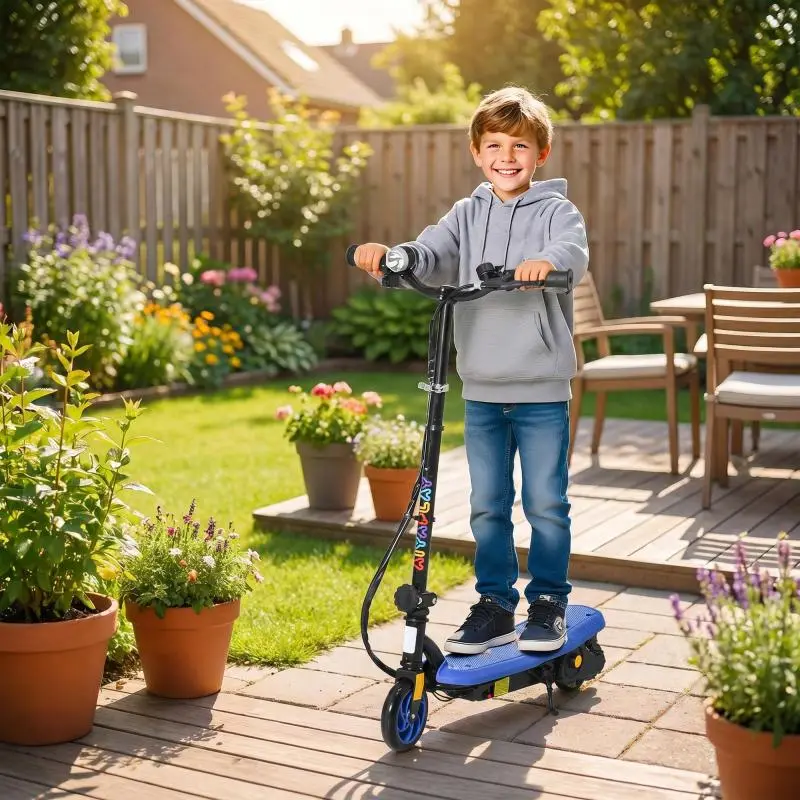
Foldable Electric Scooter for Kids Aged 7–14 – Blue – Features LED Headlight, Wheels, and Brake – Max Speed 12 km/h
€169.90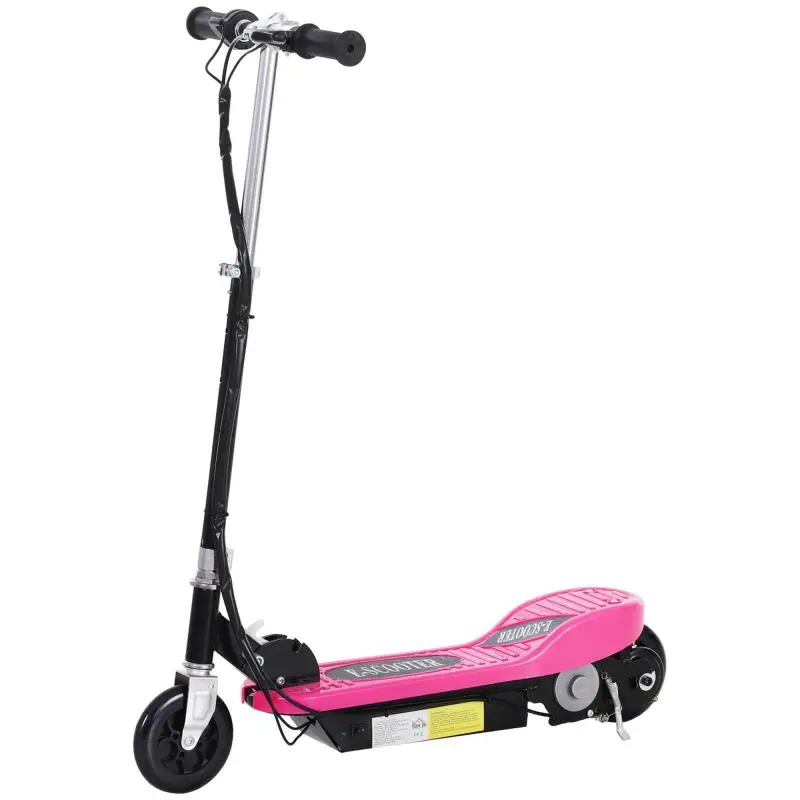
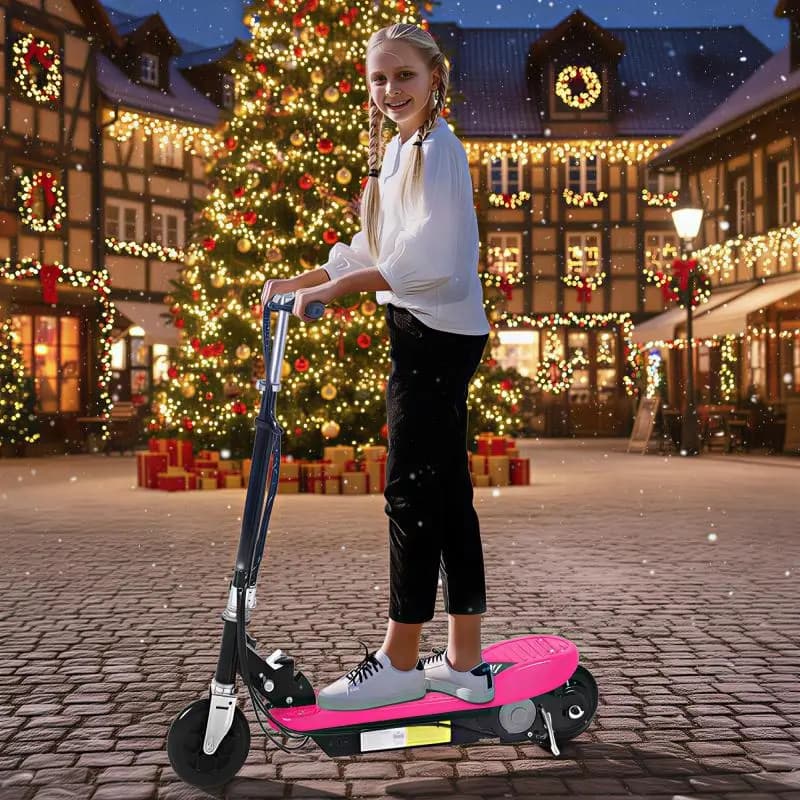
Foldable Electric Scooter for Kids and Teens (Ages 7+) with Height-Adjustable Handlebar (78x37x87-95 cm) – Pink
€164.90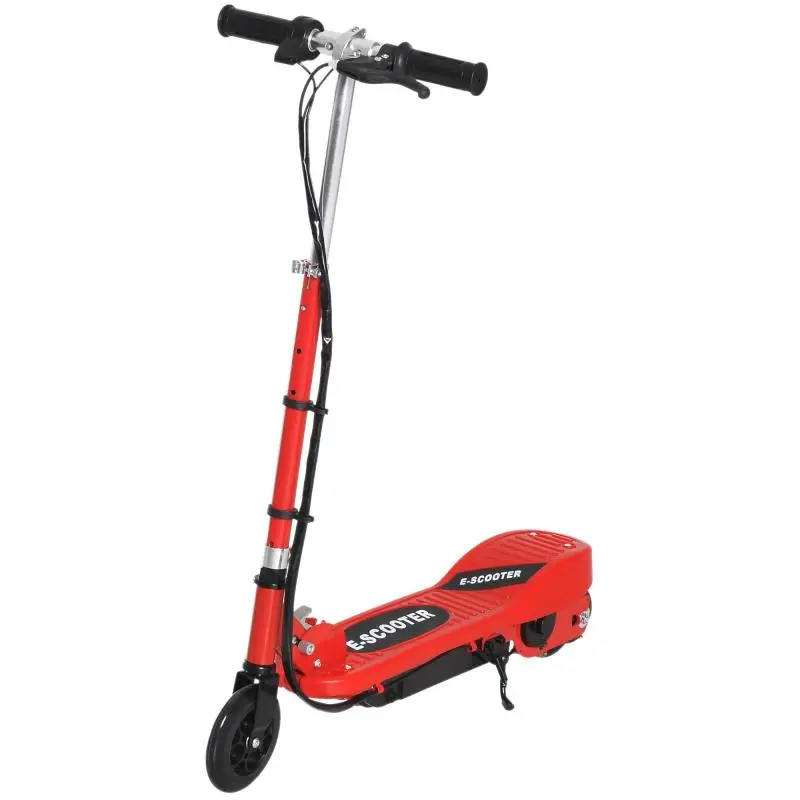
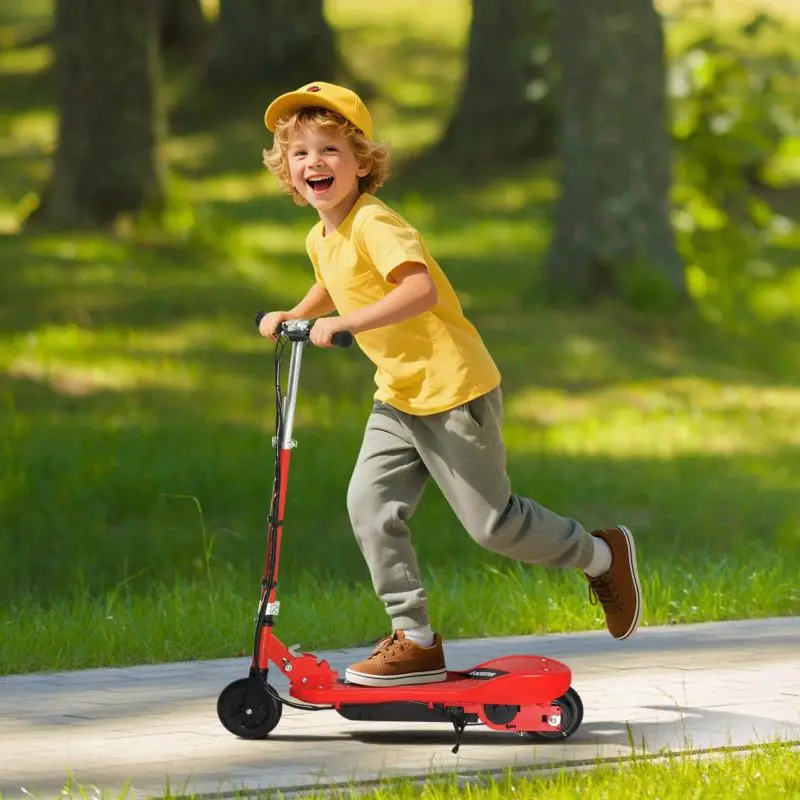
Electric Scooter for Kids Aged 7+ – Foldable, Height-Adjustable, 24V Rechargeable Battery, Speeds up to 12 km/h, Brake, 50 kg Load Capacity
€144.90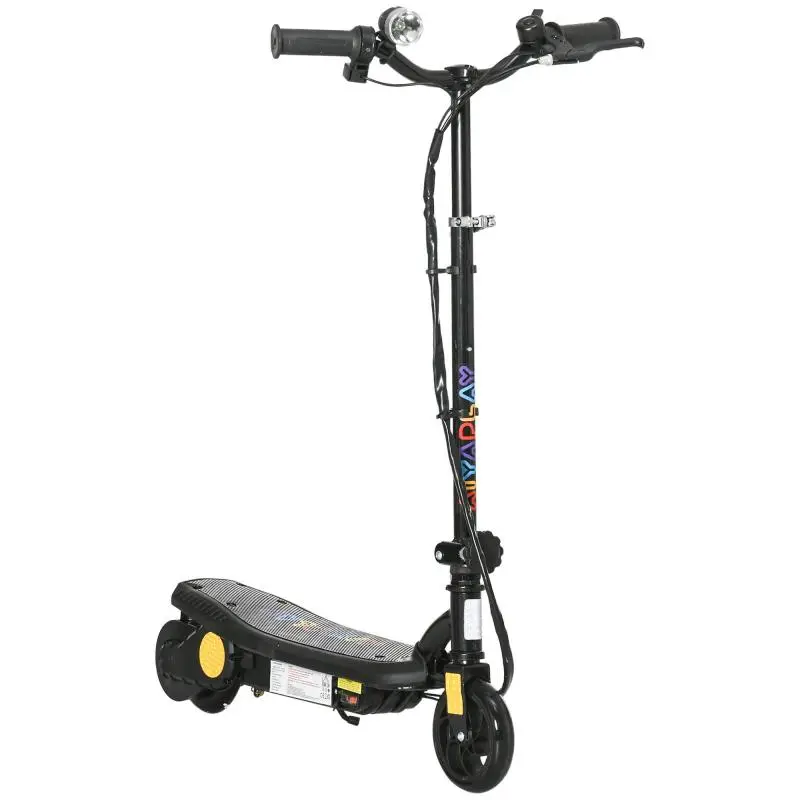
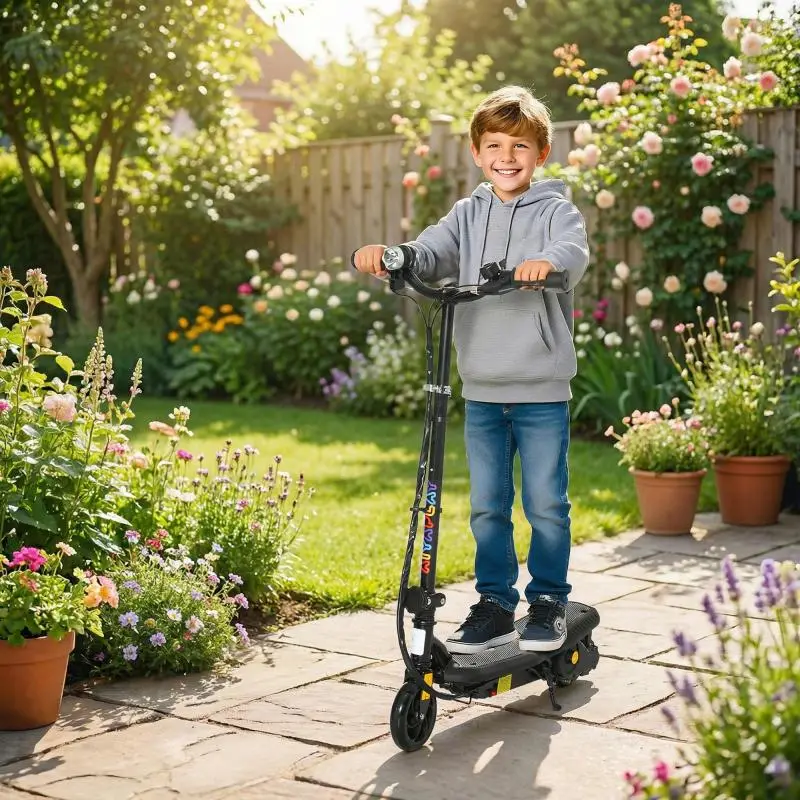
Foldable Electric Scooter for Kids Aged 7–14 – Black, with LED Headlight and Brake, Max Speed 12 km/h
€169.90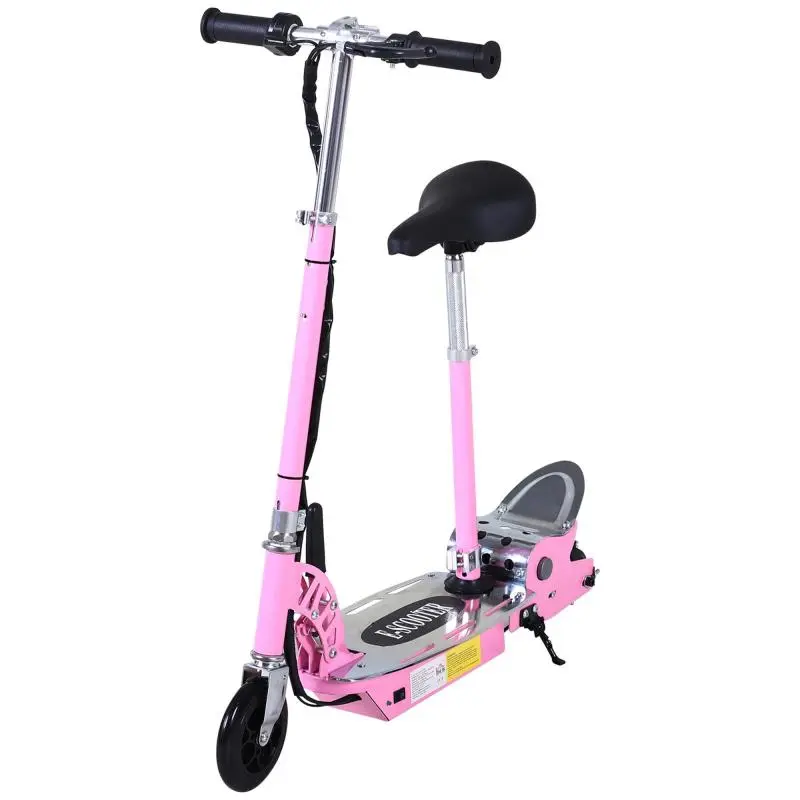
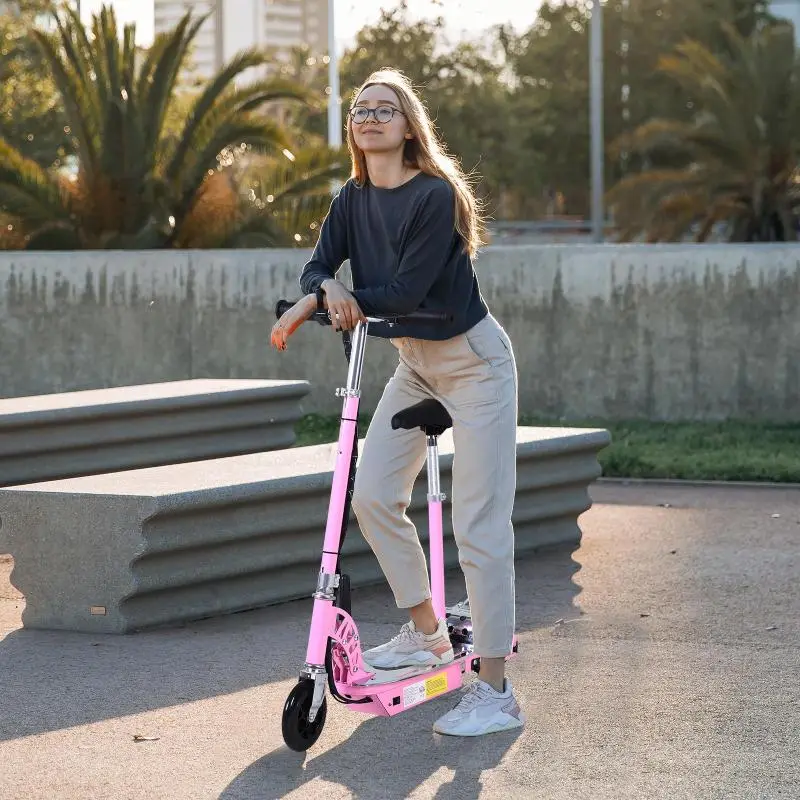
Pink Electric Scooter for Kids with Seat
€189.90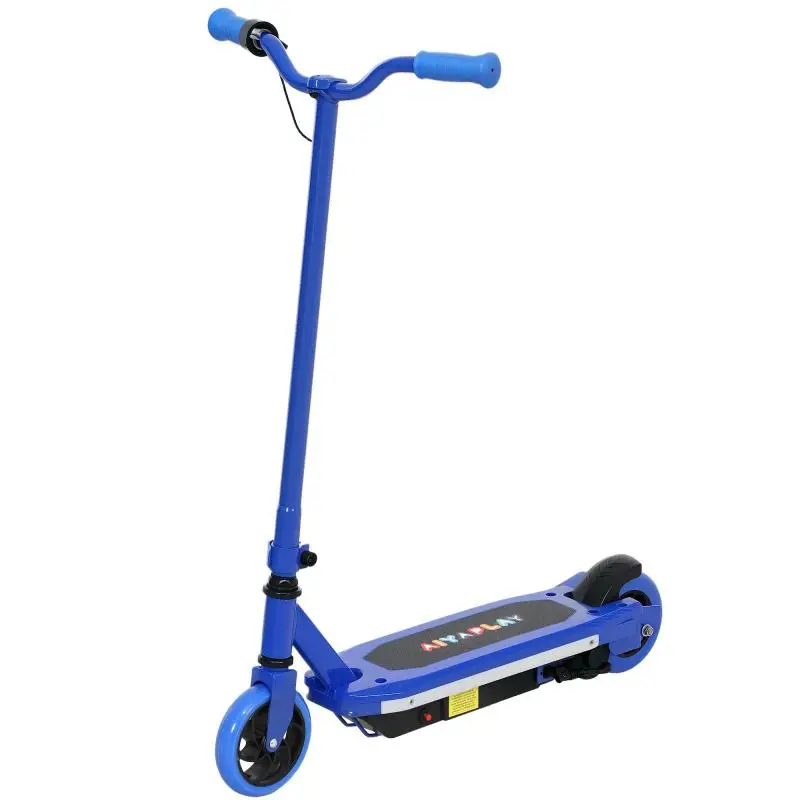
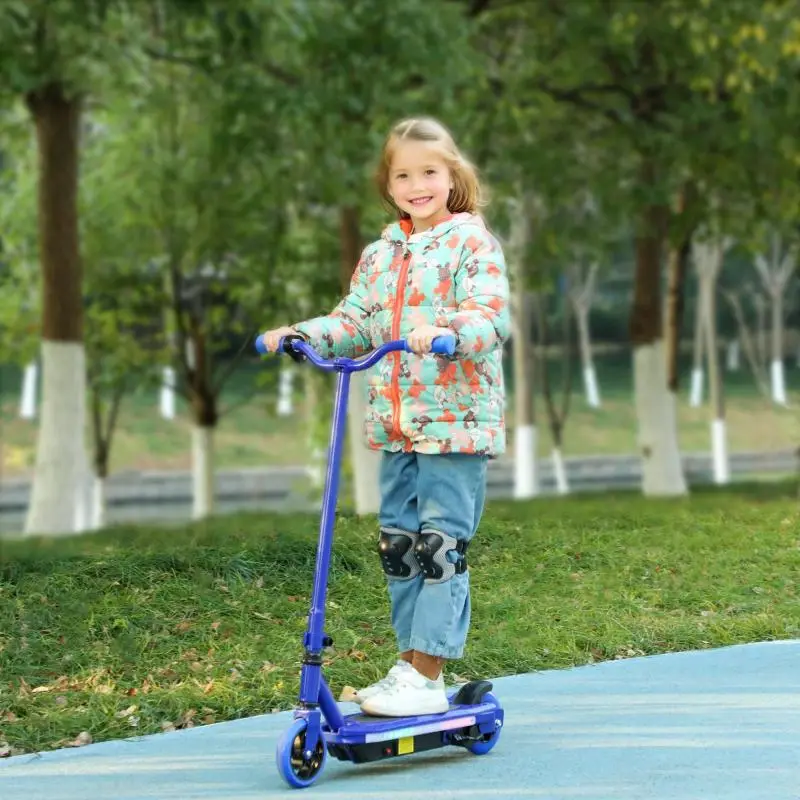
Electric Scooter for Kids with LED Lights, Thumb Throttle, and Puncture-Proof Wheels – Speeds up to 10 km/h – Blue
€164.90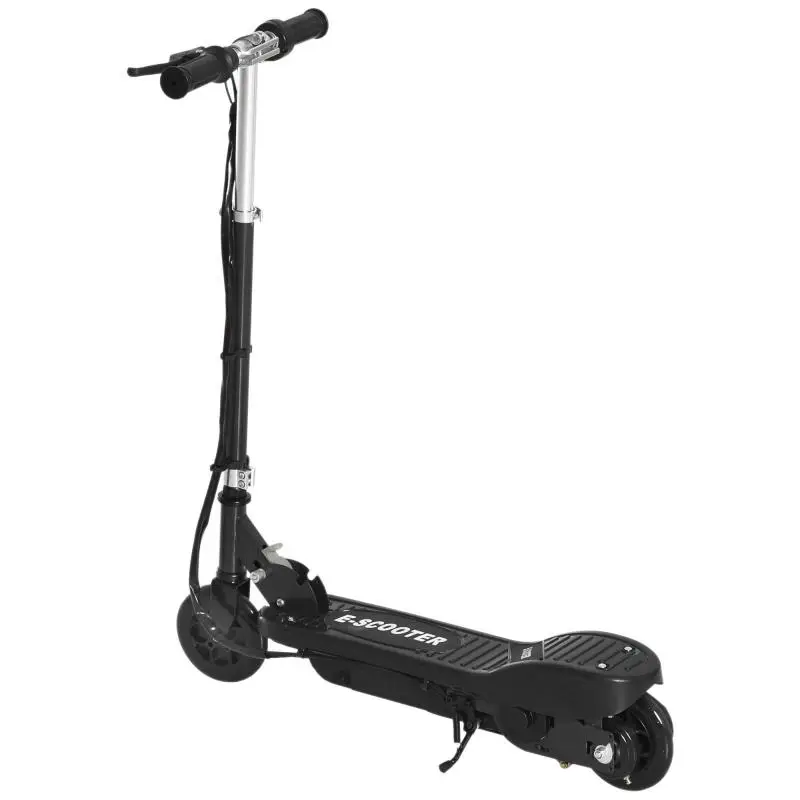
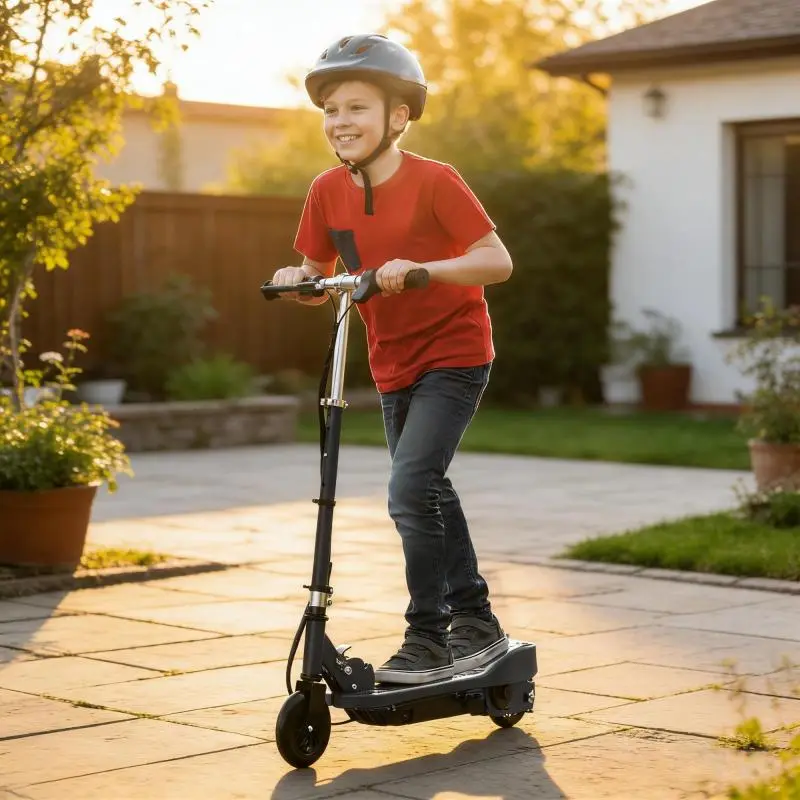
Foldable Electric Scooter for Kids, 120W, Max Speed 12 km/h, 74x36x69-91 cm, Black
€159.90