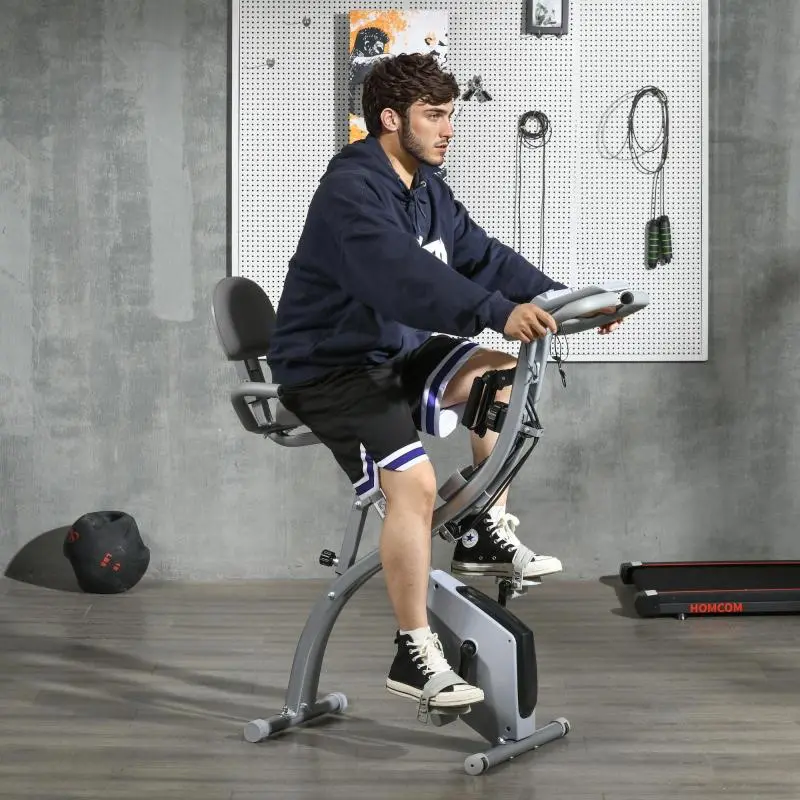
Folding Exercise Bike Buying Guide: What to Look For
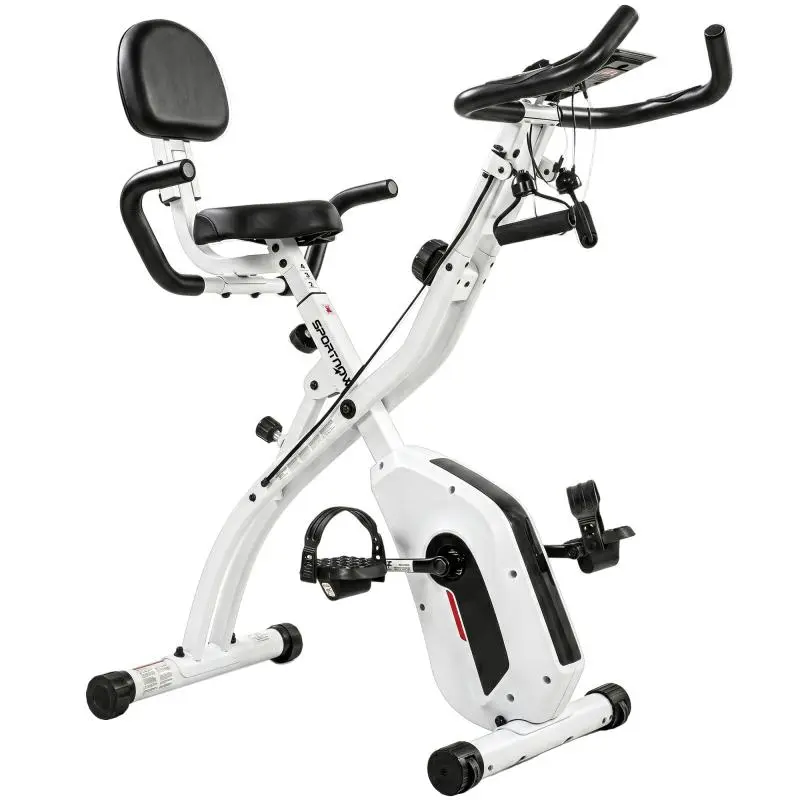
A folding exercise bike is one of the easiest ways to add regular cardio to a busy week without giving up a room to equipment. You can ride while catching up on a series, then fold it away when the session is over. This folding exercise bike buying guide walks you through the features that matter most, from magnetic resistance and maximum user weight to seat adjustment, noise, the display and storage, so you can choose a bike that suits your home and your body.
Why choose a folding exercise bike?
Folding bikes are designed for homes where space is limited. Compared with larger, fixed-frame bikes, they typically:
- Take up less floor space when stored, often standing upright against a wall.
- Are lighter to move, and many have transport wheels on the front base.
- Offer low-impact cardio, which many people find gentler on the joints than running.
- Suit shared homes, especially when paired with quiet magnetic resistance.
The trade-off is that folding designs are usually more compact than full-size bikes, so checking fit, stability and weight limits becomes especially important.
Many models are either upright (you sit as on a normal bicycle) or semi-recumbent, with a backrest and a more reclined position. Some folding bikes also include arm resistance bands for light upper-body work. Think about which position feels most comfortable for you before comparing features.
Magnetic resistance levels explained
Most modern folding exercise bikes use magnetic resistance. Magnets move closer to or further from the flywheel to make pedalling harder or easier, without the parts rubbing against each other.
What to look for:
- Number of levels. More levels give you finer steps between easy and hard. This helps with gradual progress and interval training.
- Range of resistance. The difference between the lowest and highest setting matters as much as the number of levels. Read product descriptions and reviews to get a sense of how challenging the top levels feel.
- How you adjust it. Most bikes use a tension knob; some use buttons on the console. A knob within easy reach lets you change resistance without stopping.
- Smoothness. A smooth pedal stroke makes longer sessions more comfortable. Flywheel design plays a part here, so check the specifications if this matters to you.
If you plan to do interval workouts, prioritise a bike with a clear, well-spaced set of resistance levels and an easy-to-reach adjuster.
Maximum user weight and stability
Every exercise bike has a maximum user weight, listed in the product specifications. This is one of the most important numbers in any folding exercise bike buying guide.
- Stay within the limit. Choose a bike rated comfortably above your body weight, not right at the edge of it.
- Check the base. A wider base and stable floor contact help the bike feel secure, especially when pedalling at higher resistance.
- Look for levelling feet. Adjustable feet help the bike sit evenly on slightly uneven floors.
- Inspect the folding mechanism. It should lock firmly in the open position, with no wobble once secured.
Always follow the manufacturer's assembly and safety instructions, and check bolts and the folding lock from time to time.
Seat adjustment and riding position
A comfortable riding position makes the difference between a bike you use daily and one that gathers dust.
Height and fit
- Seat height range. Check that the adjustment range suits your height and leg length. At the bottom of the pedal stroke, your knee should have a slight bend rather than being fully locked or sharply bent.
- Height range guidance. Some products list a recommended user height. If several people in your household will ride, make sure it suits all of them.
- Easy adjustment. A simple pop pin or knob lets different users change the setting quickly.
Comfort features
- Seat padding and width affect comfort on longer rides. Some people add a gel seat cover.
- Backrest on semi-recumbent models supports the lower back and can make the bike more approachable for some users.
- Handlebar position should let you sit tall without straining your shoulders or wrists.
- Pedal straps help keep your feet in place.
If you have back, hip or knee issues, speak to a doctor or physiotherapist about which riding position and intensity is suitable for you.
Noise levels in flats and shared homes
Noise is a common concern, especially if you plan to ride early in the morning or late in the evening.
- Magnetic resistance is generally quieter than friction-based systems because there is no pad rubbing against the flywheel.
- Belt drives tend to run more quietly than chain drives. Check which system the bike uses.
- An equipment mat underneath helps reduce vibration and protects your floor.
- Regular maintenance, such as keeping bolts tight, helps prevent squeaks and rattles developing over time.
Even a quiet bike can transmit some vibration through floors, so placing it away from shared walls and on a mat is a good habit in a flat.
Display and tracking features
Most folding exercise bikes have a simple display showing basic workout data. Common readings include:
- Time
- Speed
- Distance
- Estimated calories
- Heart rate, on models with hand-grip sensors
Remember that calorie and heart-rate readings from hand grips are estimates. Treat them as a guide for comparing your own sessions, not as precise measurements. A clear, readable screen and a holder for your phone or tablet are practical extras if you like to follow workouts or watch something while riding.
Folding, storage and moving the bike
Folding is the whole point, so check how well it actually works.
- Folded dimensions. Measure the spot where you plan to store it, then compare it with the folded size in the product details.
- Folding mechanism. It should be straightforward to fold and unfold, with a secure lock in both positions.
- Transport wheels. Front wheels make it much easier to roll the bike out of the way.
- Product weight. A lighter bike is easier to move but should still feel stable when in use.
Before unfolding, make sure there is enough clearance around the bike so you can get on and off safely.
Frequently asked questions
Are folding exercise bikes good for daily use?
Many people use folding exercise bikes for regular home cardio. Choosing a model with a suitable maximum user weight, a sturdy frame and a comfortable seat, and following the maintenance instructions, will help it stay reliable with frequent use.
Is a magnetic exercise bike quiet enough for a flat?
Magnetic resistance is generally one of the quieter options because there is no friction pad against the flywheel. Combining it with an equipment mat and keeping the bike away from shared walls helps reduce noise and vibration further.
What should I check first in a folding exercise bike buying guide?
Start with the maximum user weight and the seat height range, as these determine whether the bike fits you safely. Then compare resistance levels, noise, display features and folded dimensions.
Find the right bike for your space
A good folding exercise bike fits your body, suits your space and is quiet enough to use whenever it suits you. Check the maximum user weight and seat adjustment first, then compare resistance levels, noise and storage. When you are ready, browse the KOLBOS fitness range for exercise bikes, mats and home training equipment, shipped free from EU warehouses with delivery across Europe and no customs fees.