How to Choose a Weight Bench for Your Home Gym
A weight bench looks like the simplest piece of kit in any gym, yet it quietly decides how many exercises you can do, how safely you can do them and whether your home setup feels solid or wobbly. This weight bench buying guide walks you through the choices that genuinely matter, from flat versus adjustable designs to load ratings, stability and how a bench works alongside a barbell rack.
If you are building a home gym in a spare room, garage or corner of the living room, the right bench is one of the best investments you can make. Here is how to choose one with confidence.
Why a weight bench matters in a home gym
A bench turns a pair of dumbbells or a barbell into a full-body training system. With one in place you can add pressing movements, supported rows, step-ups, split squats, hip thrusts and seated shoulder work, all without needing more floor space for extra machines.
It also supports better technique. A stable, properly padded surface lets you brace, keep your feet planted and move the weight with control, which is exactly what you want when training on your own at home.
Flat vs adjustable weight benches
The first decision in any weight bench buying guide is the basic type. Each has a clear place.
Flat benches
A flat bench is a single fixed pad on a frame.
- Simple and sturdy, with fewer moving parts.
- Usually more compact and easy to slide under a rack or against a wall.
- Ideal for flat pressing, rows, hip thrusts, step-ups and many dumbbell exercises.
If your training is focused on core barbell lifts and you want maximum simplicity, a good flat bench may be all you need.
Adjustable benches
Adjustable benches let you change the angle of the back pad, and often the seat.
- Incline positions for upper-chest and shoulder pressing.
- Upright positions for seated shoulder presses and curls.
- Greater exercise variety from a single piece of equipment.
FID benches
FID stands for flat, incline, decline. These adjustable benches add a decline setting, usually with a leg holder or foot roller to keep you secure. Decline work is optional for most home trainees, but if you want the widest range of movements, an FID bench covers it.
When comparing adjustable models, look at:
- Number of back-pad positions and how easy they are to change.
- Seat adjustment, which stops you sliding down on steep inclines.
- The gap between seat and back pad when flat. A large gap can feel uncomfortable under your lower back.
- Locking mechanism quality, such as a pin or ladder system that holds firmly.
Maximum load and build quality
Every bench has a stated maximum load from the manufacturer. Think of it as the combined weight the bench is designed to support: your body weight plus whatever you are lifting.
- Add your body weight to your heaviest planned lift, then leave a sensible margin for progress.
- Check the frame material and thickness. Steel frames with solid welds are the norm for durable benches.
- Look at the padding. Firm, dense foam with a durable, grippy cover gives better support than soft padding that compresses heavily.
- Pad width affects comfort and stability. Wider pads support the shoulders more; narrower pads allow the arms to move freely. Many people prefer something in the middle.
Always follow the manufacturer's maximum load and usage instructions. Do not rely on guesswork when you are lifting over your face and chest.
Stability, footprint and foldable designs
A bench that rocks or shifts is not just annoying, it undermines every set.
What makes a bench stable
- A wide base, particularly at the front and back feet.
- Rubber feet that grip the floor and protect it.
- A low centre of gravity and minimal flex in the frame.
- Sensible bench height, so you can plant your feet firmly on the floor during pressing.
Before buying, check the bench height and length against your own height. Taller lifters often appreciate a longer pad.
Foldable and space-saving benches
If space is tight, a foldable or upright-storing bench can be a smart choice.
- Folding benches collapse flat to slide under a bed or stand against a wall.
- Benches with transport wheels and a handle are easier to move in and out of a room.
- Trade-off: folding mechanisms add moving parts, so check that the bench locks firmly and that its load rating suits your training.
Measure your space before you order, including the area you need around the bench to load plates and move safely.
Pairing your bench with a barbell rack and safety catches
If you plan to bench press with a barbell, the bench is only half the system. Pairing it with a suitable rack makes your home gym far safer.
- Squat stands, half racks and power racks hold the bar at the right height to unrack and re-rack it.
- Safety catches, spotter arms or safety straps are set just below the lowest point of the bar's path, so if you cannot complete a rep you can lower the bar onto them rather than onto yourself.
- Check compatibility: make sure the bench fits inside or in front of the rack and that the rack's J-hooks can be set at a comfortable height for your arm length when lying down.
- Bench height and rack spacing should allow you to lie with your eyes roughly under the bar and your feet planted.
When training alone, always set your safety catches before you start, and use a weight you can control for every rep. Dumbbell pressing is a useful alternative on days you train without a rack.
A quick checklist before you buy
- What exercises do you want to do: flat only, or incline and decline too?
- What is the combined weight of you and your heaviest planned lift?
- How much floor space do you have, and do you need to fold it away?
- Will you use it with a barbell rack, and do the heights match?
- Does the seat-to-back gap, pad width and length suit your body?
Answering these questions narrows the field quickly and makes this weight bench buying guide practical rather than theoretical.
Frequently asked questions
Is an adjustable weight bench better than a flat bench for a home gym?
Not automatically. An adjustable bench offers more exercise variety, while a flat bench is simpler, often more compact and has fewer moving parts. If you want incline and seated work, choose adjustable; if you mostly do flat pressing and rows, a sturdy flat bench is a great option.
How do I know what maximum load I need?
Add your body weight to the heaviest weight you expect to lift, then allow room to progress. Choose a bench whose stated maximum load comfortably exceeds that figure, and always follow the manufacturer's guidance.
Do I need a rack to use a weight bench at home?
Not for dumbbell training. For barbell bench pressing, a rack with safety catches or spotter arms is strongly recommended, especially if you train alone.
Build your home gym around the right bench
The best bench is the one that suits your space, your training plans and your body, and that feels rock-solid every time you lie down on it. When you are ready, browse our home fitness range to compare flat, adjustable and space-saving benches alongside racks and accessories, all shipped free from EU warehouses with delivery in around 2 to 5 days and no customs fees.
Related products
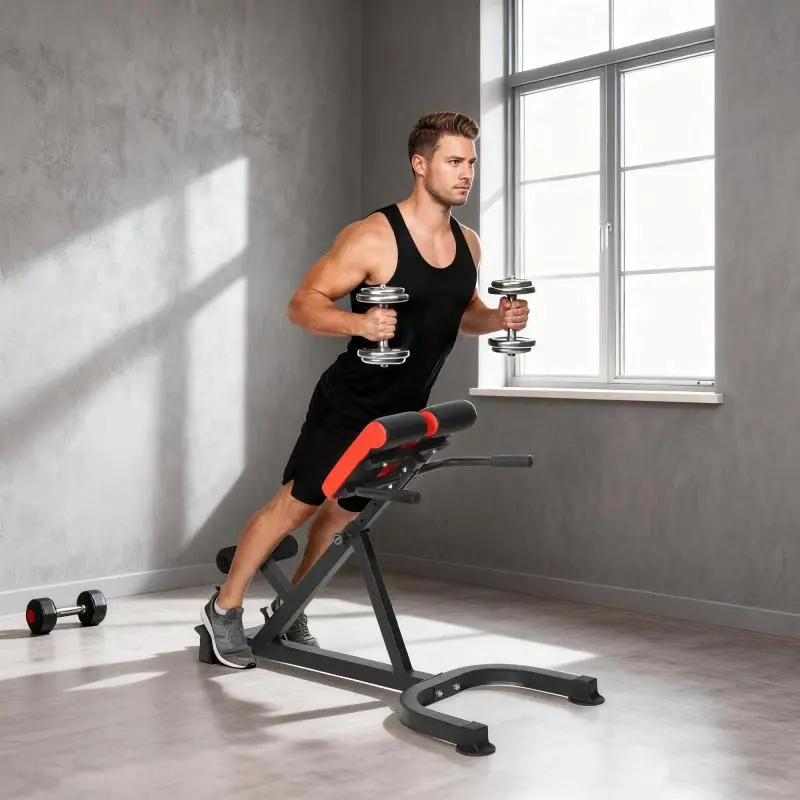
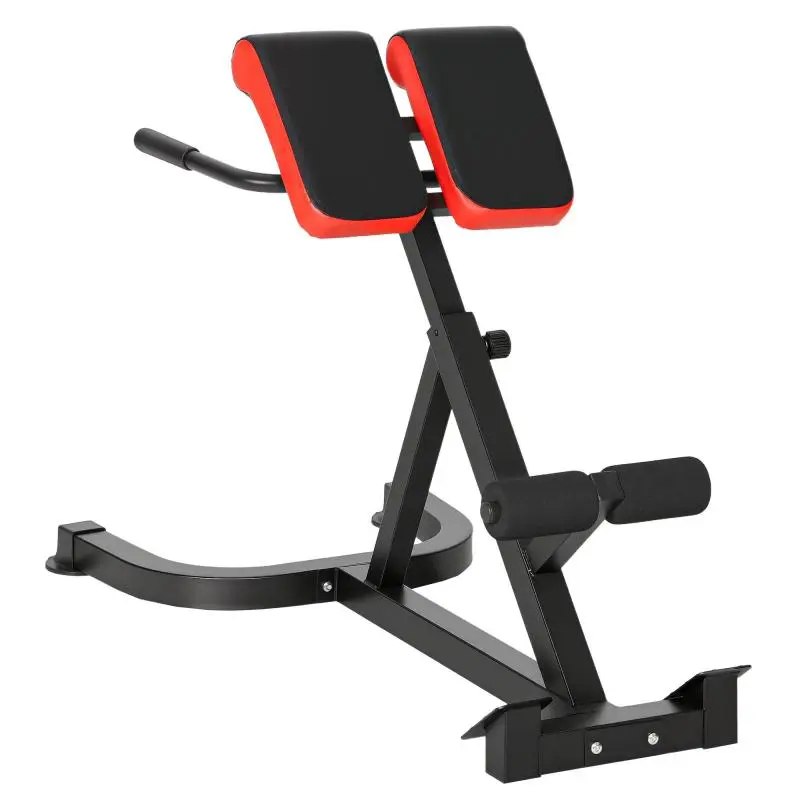
5-Level Adjustable Weight Bench, Roman Chair with High-Density Foam Rollers, 112 x 62 x 88 cm, Black and Red
€124.90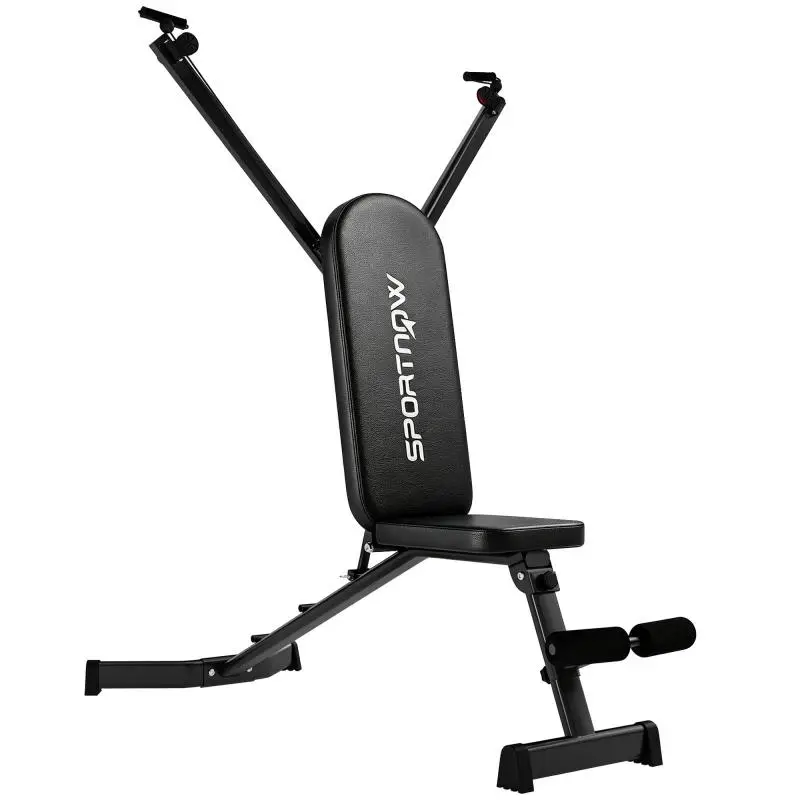
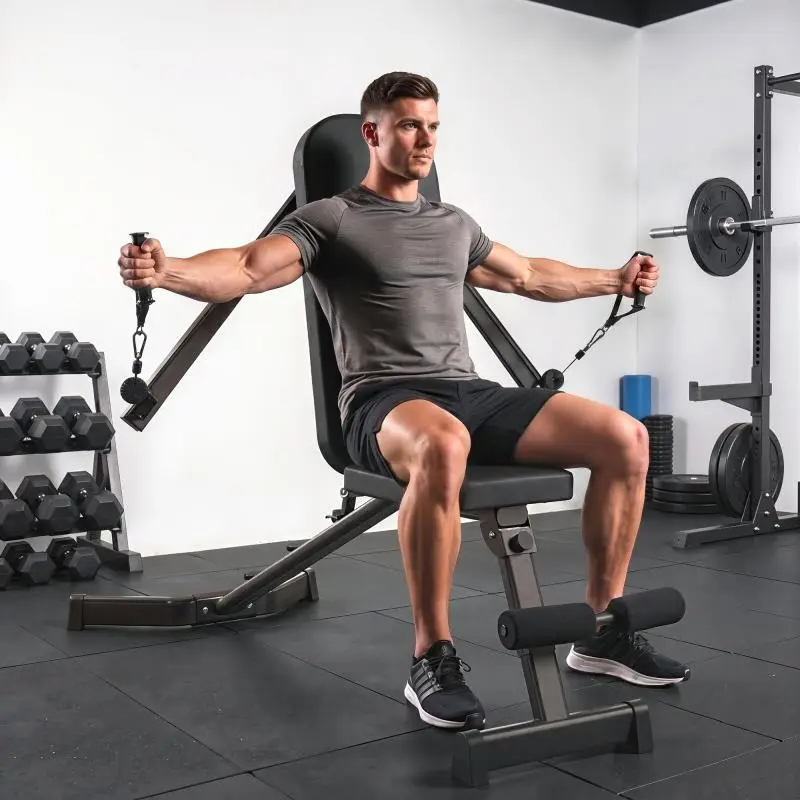
Foldable Weight Bench / Workout Bench with Leg Extension, 3-Position Backrest, 3 Resistance Levels, 300 kg Load Capacity
€154.90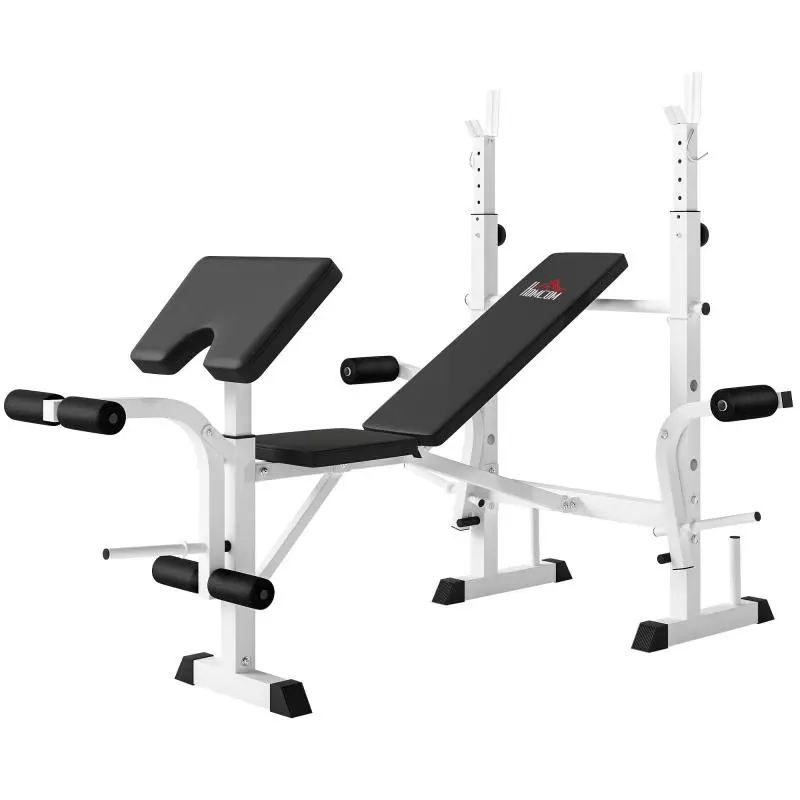
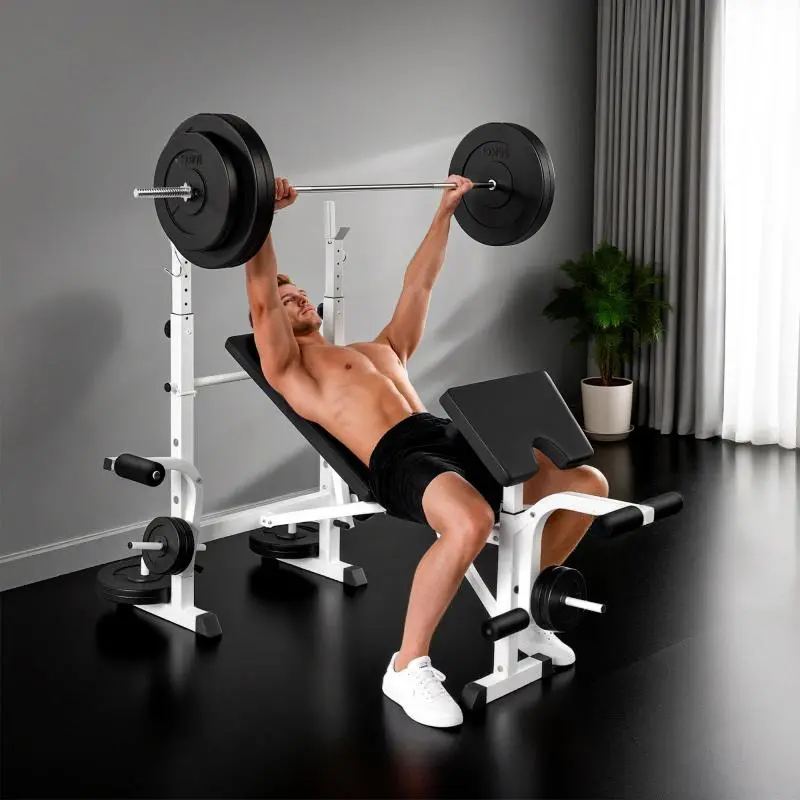
Incline Weight Bench with Adjustable Barbell Rack, Leg Extension and Preacher Curl for Gym
€274.90