30-Minute Full-Body Dumbbell Workout at Home
Short on time but want to train your whole body? This full-body dumbbell workout at home takes around 30 minutes from warm-up to cool-down and needs only a pair of dumbbells, a mat and a little floor space. It works your legs, back, chest, shoulders, arms and core, with clear form cues and options for both beginners and intermediate lifters.
Before you start
A few simple checks make the session safer and more effective:
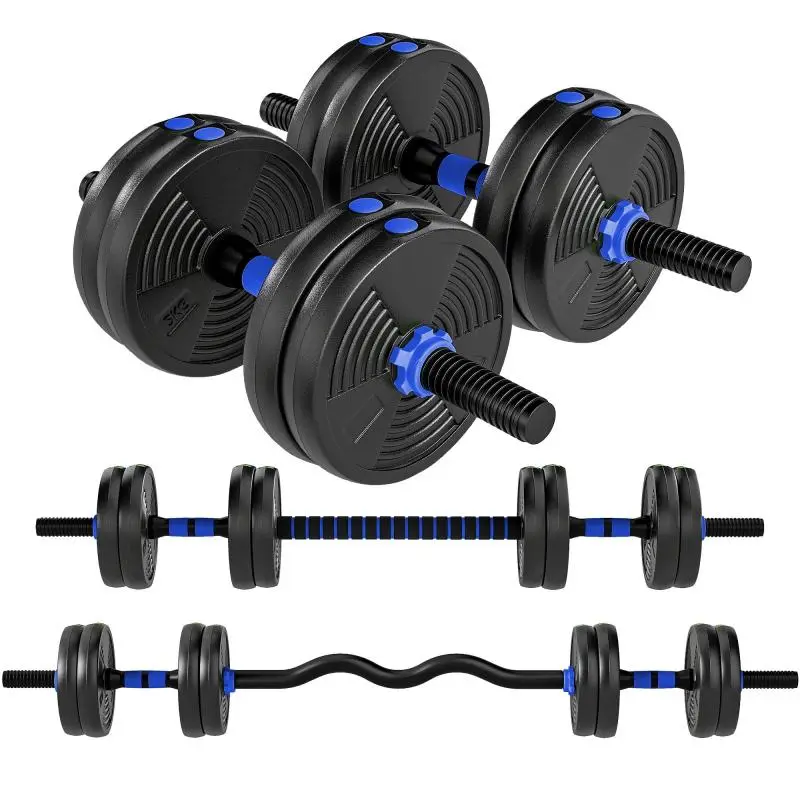
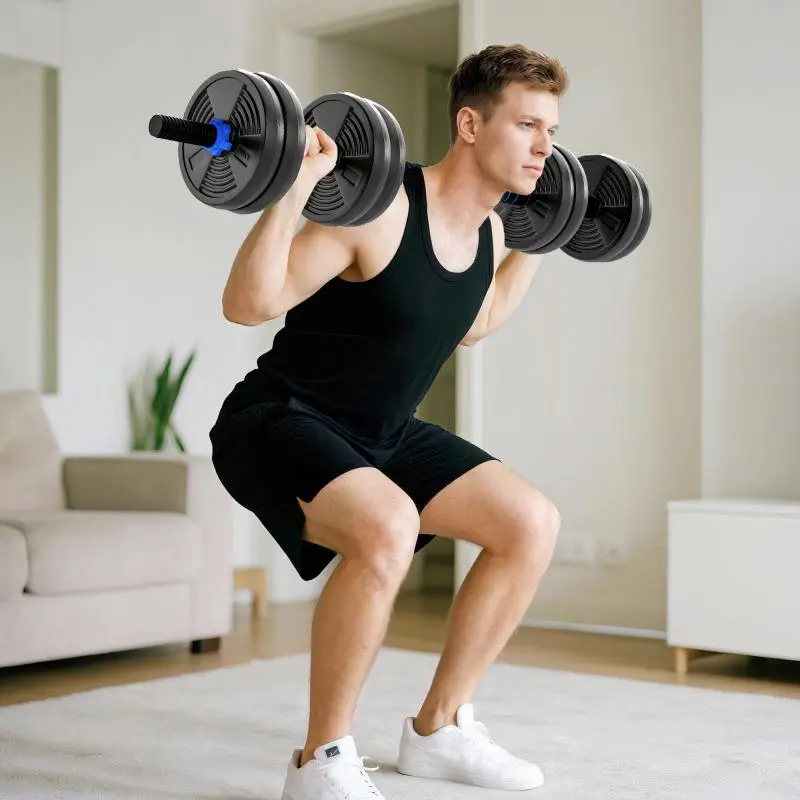
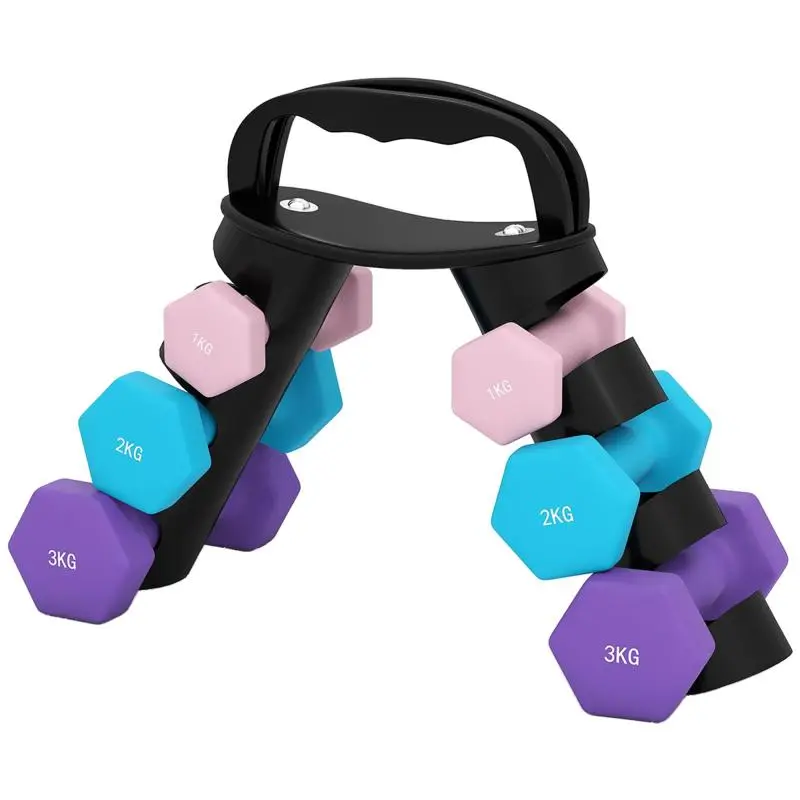
- Equipment: a pair of dumbbells (adjustable or fixed), an exercise mat and, optionally, a flat bench.
- Space: enough room to lunge forwards and lie down with your arms extended.
- Weight choice: pick a weight you can lift for every rep with good form, finishing each set feeling that you could do two or three more.
- Health: if you have an injury, a health condition, are pregnant or are returning to exercise after a long break, speak to a doctor or physiotherapist before starting.
Stop any exercise that causes sharp pain, dizziness or discomfort that feels wrong, rather than pushing through.
Warm-up (5 minutes)
Do each movement for about 30–45 seconds, without weights, and repeat the sequence if you have time.
- March on the spot, gradually lifting the knees higher.
- Arm circles, forwards and backwards.
- Bodyweight squats, slow and controlled.
- Hip hinges, hands on hips, pushing the hips back with a flat back.
- Reverse lunges, alternating legs.
- Thoracic rotations, on all fours or standing, turning the upper back gently.
- Inchworm walkouts, walking the hands out to a plank and back.
You should feel warmer and slightly looser by the end, not tired.
The full-body dumbbell workout: 8 exercises
Perform the exercises as a circuit, moving from one to the next with short rests. The main block takes roughly 20 minutes.
1. Goblet squat
Hold one dumbbell vertically against your chest. Stand with feet around shoulder-width apart.
- Sit the hips back and down, keeping your chest up.
- Let the knees track in line with your toes.
- Push through the whole foot to stand.
2. Dumbbell Romanian deadlift
Hold a dumbbell in each hand in front of your thighs.
- Soften the knees and push the hips back.
- Keep the dumbbells close to your legs and your back flat.
- Lower until you feel a stretch in the back of your thighs, then squeeze the glutes to stand.
3. Floor or bench chest press
Lie on a mat or bench with a dumbbell in each hand above your chest.
- Keep your shoulder blades gently drawn back.
- Lower the dumbbells under control, elbows at roughly 45 degrees from your body.
- Press back up without locking the elbows hard.
4. Single-arm dumbbell row
Place one hand and knee on a bench, or stagger your stance with a hand on a sturdy surface.
- Keep your back flat and neck neutral.
- Pull the dumbbell towards your hip, leading with the elbow.
- Lower slowly. Complete all reps, then switch sides.
5. Reverse lunge
Hold a dumbbell in each hand by your sides, or bodyweight only to start.
- Step one foot back and lower until both knees are bent.
- Keep your torso upright and front knee over the middle of the foot.
- Push through the front heel to return. Alternate legs.
6. Seated or standing shoulder press
Hold the dumbbells at shoulder height, palms facing forwards or towards each other.
- Brace your core and avoid arching your lower back.
- Press the weights overhead until your arms are almost straight.
- Lower with control back to shoulder height.
7. Dumbbell biceps curl to hammer curl
Stand tall with the dumbbells at your sides.
- Curl with palms facing up for one rep, then palms facing each other for the next.
- Keep your elbows close to your body and avoid swinging.
- Lower slowly each time.
8. Dead bug with dumbbell
Lie on your back holding one dumbbell above your chest with both hands, knees bent at 90 degrees above the hips.
- Press your lower back gently into the mat.
- Slowly extend one leg away from you, then return it.
- Alternate legs, keeping the dumbbell still and your back in contact with the floor. Beginners can do this without weight.
Sets and reps for beginners and intermediate
Choose the plan that matches your experience. If the session is running long, drop a round rather than rushing your form.
Beginner plan
- Rounds: 2
- Reps: 10 per exercise (10 per side for rows; 5 per leg for lunges and dead bugs)
- Rest: about 30 seconds between exercises, 90 seconds between rounds
- Tip: use a lighter weight and focus on slow, controlled movement.
Intermediate plan
- Rounds: 3
- Reps: 12 per exercise (12 per side for rows; 6–8 per leg for lunges and dead bugs)
- Rest: about 20 seconds between exercises, 60 seconds between rounds
- Tip: progress by adding reps, slowing the lowering phase or moving up in weight when the final reps feel comfortable.
Two or three sessions a week, with a rest day between them, is a sensible rhythm for most people starting a full-body dumbbell workout at home. Listen to your body and allow more recovery if you need it.
Cool-down (5 minutes)
Slow your breathing and hold each stretch for around 30 seconds, without bouncing.
- Standing quad stretch, each leg, holding on to a wall for balance.
- Hamstring stretch, seated or standing with one heel forwards.
- Hip flexor stretch, in a half-kneeling position on the mat.
- Chest stretch, with a forearm against a door frame.
- Child's pose, to relax the back and shoulders.
- A few slow breaths lying on your back to finish.
Frequently asked questions
Is a 30-minute full-body dumbbell workout at home enough?
For many people, a well-structured 30-minute session two or three times a week is a practical way to build strength and fitness. Consistency over weeks and months matters more than the length of any single workout.
What weight dumbbells should I use for this workout?
Choose a weight that lets you complete every rep with good form while the last few reps feel challenging. You may need a lighter weight for shoulder presses and curls than for squats and deadlifts, which is where adjustable dumbbells are handy.
Can beginners do a full-body dumbbell workout every day?
It is generally better to leave at least one rest day between full-body strength sessions so your muscles can recover. On rest days, light activity such as walking or easy cycling is a good option. If you are unsure, ask a doctor, physiotherapist or qualified trainer.
Keep your home workouts going
This full-body dumbbell workout at home needs very little kit and fits easily into a busy week. Start with the beginner plan, build up gradually and keep your form as the priority. If you are putting together your home setup, browse the KOLBOS fitness range for dumbbells, mats and benches, shipped free from EU warehouses and delivered across Europe with no customs fees.