Home Cardio Without Running: A Beginner's Guide and 4-Week Plan
Not everyone enjoys running, and plenty of people simply cannot fit it into their week. Maybe the weather is grim, the pavements are icy, your knees are not keen, or you just want to train while the kids are asleep. The good news is that home cardio without running is entirely possible, and it can be every bit as engaging. With a few pieces of equipment, or none at all, you can get your heart rate up in your living room.
This guide covers the most practical options and finishes with a straightforward 4-week plan for beginners. If you have any health conditions, are returning after an injury or have not exercised for a long time, check with your doctor before starting a new routine.
Why choose home cardio without running?
Running is popular because it is simple, but it is not the only route to better cardiovascular fitness. Training at home has its own advantages:
- No weather worries. Rain, heat or early darkness do not cancel your session.
- Time-efficient. No travel, no changing rooms, no waiting for equipment.
- Flexible intensity. Most home options let you go gentle or hard depending on the day.
- Variety. Mixing machines and bodyweight work keeps sessions interesting.
- Privacy. Many beginners feel more comfortable starting at home.
The key is choosing activities you actually enjoy, because the best cardio workout is the one you keep doing.
Exercise bikes
An exercise bike is one of the most popular ways to do indoor cardio, and for good reason.
- Low impact, since you are seated and your feet stay on the pedals.
- Easy to learn: if you can ride a bike, you can use one.
- Adjustable resistance so you can progress over time.
- Fits around life: you can ride while listening to a podcast or watching something.
Types to consider
- Upright bikes feel similar to an ordinary bicycle and take up modest space.
- Recumbent bikes have a reclined seat with back support, which some people find more comfortable.
- Spin-style or indoor cycling bikes have a heavier flywheel and a more athletic riding position, suiting those who like intense sessions.
Set the saddle so your knee is slightly bent at the bottom of the pedal stroke, and adjust the handlebars so you are not over-reaching.
Steppers and stair-style training
Steppers mimic climbing stairs and give a focused lower-body workout alongside cardio.
- Mini steppers are compact and can be stored under a desk or bed.
- Steppers with handles or resistance bands let you involve the arms.
- Aerobic step platforms are a simple, low-cost option for step routines and can also be used for strength exercises.
Keep your whole foot on the pedal or platform, stand tall, and avoid leaning heavily on the handles.
Jump-rope style training
Skipping is a classic way to raise your heart rate in very little space.
- A skipping rope is cheap, portable and great for coordination.
- Ropeless or cordless skipping handles let you mimic the movement where ceilings are low or space is tight, and they reduce the risk of tripping while you learn.
- Start with short bursts and rest between them, as skipping can feel demanding at first.
Skipping involves more impact than cycling, so land softly on the balls of your feet, wear supportive trainers and use a suitable surface, such as a mat or wooden floor rather than bare concrete. If you live in a flat, consider your neighbours below and choose times accordingly.
Bodyweight cardio circuits
No equipment at all? Bodyweight circuits are a flexible and effective option for home cardio workouts.
Beginner-friendly moves
- Marching or jogging on the spot
- Step jacks, a low-impact version of jumping jacks
- Bodyweight squats
- Standing knee drives
- Incline mountain climbers with hands on a sturdy chair or sofa
- Shadow boxing
- Alternating reverse lunges
How to build a circuit
- Choose 4 to 6 exercises.
- Work for a set time, such as 30 seconds, then rest for 30 seconds.
- Move through all exercises once to complete a round.
- Rest for 1 to 2 minutes, then repeat.
You can make circuits harder by working longer, resting less, adding rounds or choosing more dynamic versions of each move.
A simple 4-week home cardio plan for beginners
This plan uses three sessions per week, with a rest day or gentle walk in between. Use whichever equipment you have: an exercise bike, stepper, skipping rope or bodyweight circuits. Aim for an effort where you are breathing harder but could still speak in short sentences, and always begin with a 5-minute warm-up of easy movement and finish with a 5-minute cool-down and gentle stretching.
Week 1: Build the habit
- Session 1: 15 minutes steady on the bike or stepper.
- Session 2: Bodyweight circuit, 4 exercises, 30 seconds work and 30 seconds rest, 2 rounds.
- Session 3: 15 minutes steady, any equipment.
Week 2: A little longer
- Session 1: 20 minutes steady on the bike or stepper.
- Session 2: Bodyweight circuit, 5 exercises, 30 seconds work and 30 seconds rest, 2 rounds.
- Session 3: 15 minutes mixing 1 minute steady with 30 seconds of skipping or ropeless skipping.
Week 3: Introduce intervals
- Session 1: 20 minutes on the bike, alternating 2 minutes easy with 1 minute at a harder effort.
- Session 2: Bodyweight circuit, 5 exercises, 30 seconds work and 30 seconds rest, 3 rounds.
- Session 3: 20 minutes steady on the stepper or bike.
Week 4: Put it together
- Session 1: 25 minutes steady on the bike or stepper.
- Session 2: Bodyweight circuit, 6 exercises, 40 seconds work and 20 seconds rest, 3 rounds.
- Session 3: 20 minutes of intervals, alternating 1 minute harder with 1 minute easy, using your choice of equipment.
If any week feels too hard, repeat it before moving on. Progress is about consistency, not speed.
Frequently asked questions
Can home cardio without running really improve my fitness?
Yes. Cycling, stepping, skipping and bodyweight circuits all raise your heart rate and can form part of a well-rounded fitness routine. Consistency over weeks and months matters far more than which particular activity you choose.
What is the best cardio machine for a small flat?
It depends on your space and preferences. Compact upright or folding exercise bikes and mini steppers are popular for smaller homes, while a skipping rope or bodyweight circuits need almost no storage at all. Measure your space before choosing.
How often should beginners do cardio at home?
Three sessions a week, as in the plan above, is a sensible starting point for many people, with rest or light activity in between. Listen to your body, build up gradually, and speak to a doctor first if you have any health concerns.
Find the right fit for your home
Home cardio without running is about finding a routine that suits your space, your schedule and what you genuinely enjoy doing. If you would like some equipment to support your plan, browse our home fitness range for exercise bikes, steppers and accessories, shipped free from EU warehouses and usually delivered within about 2 to 5 days, with no customs fees.
Related products
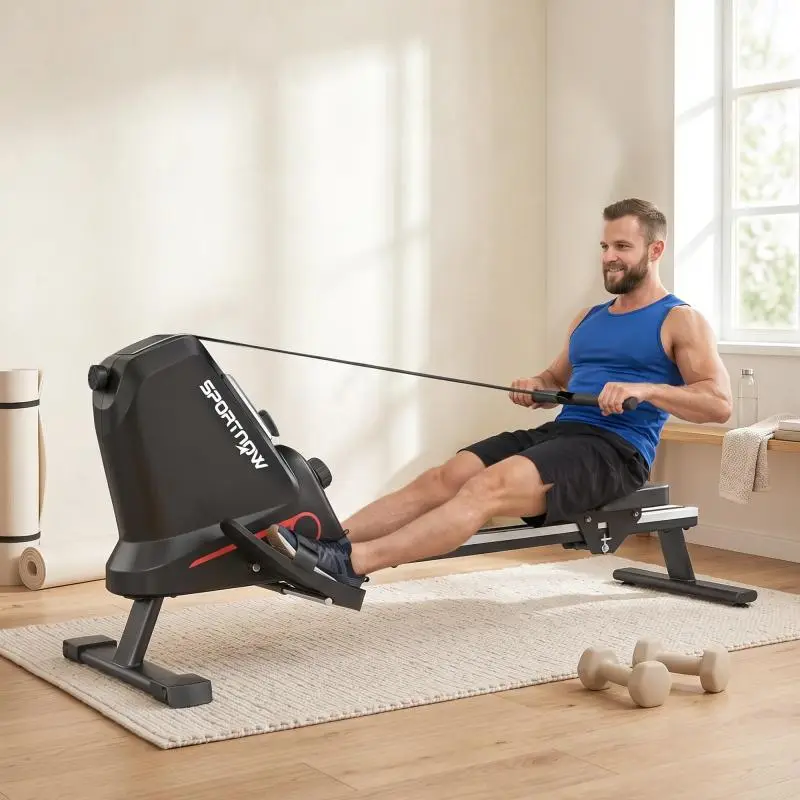
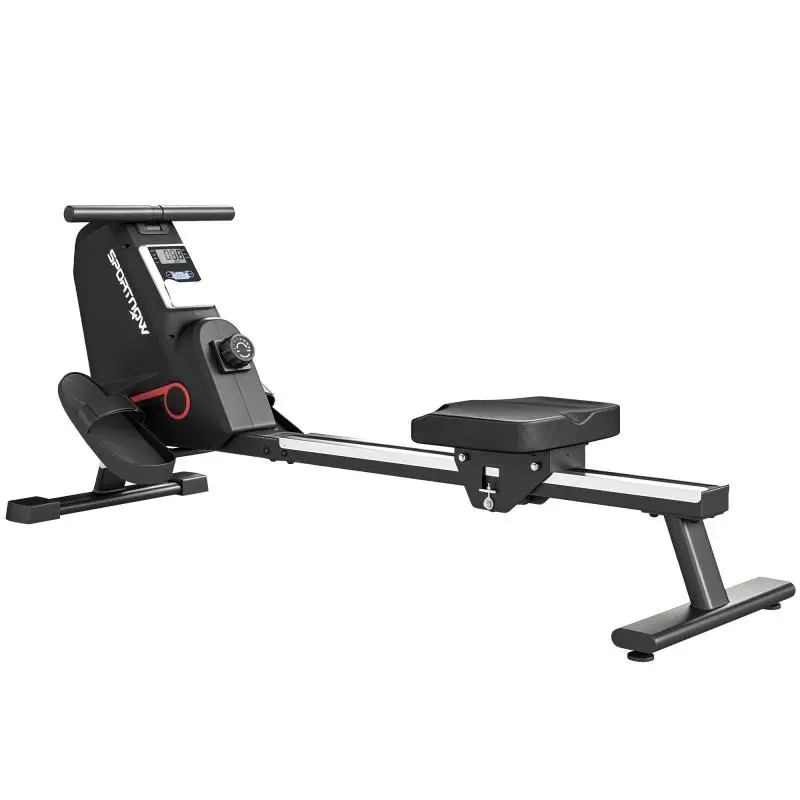
Magnetic Rowing Machine with 16 Resistance Levels
€209.90+ €29.95 delivery
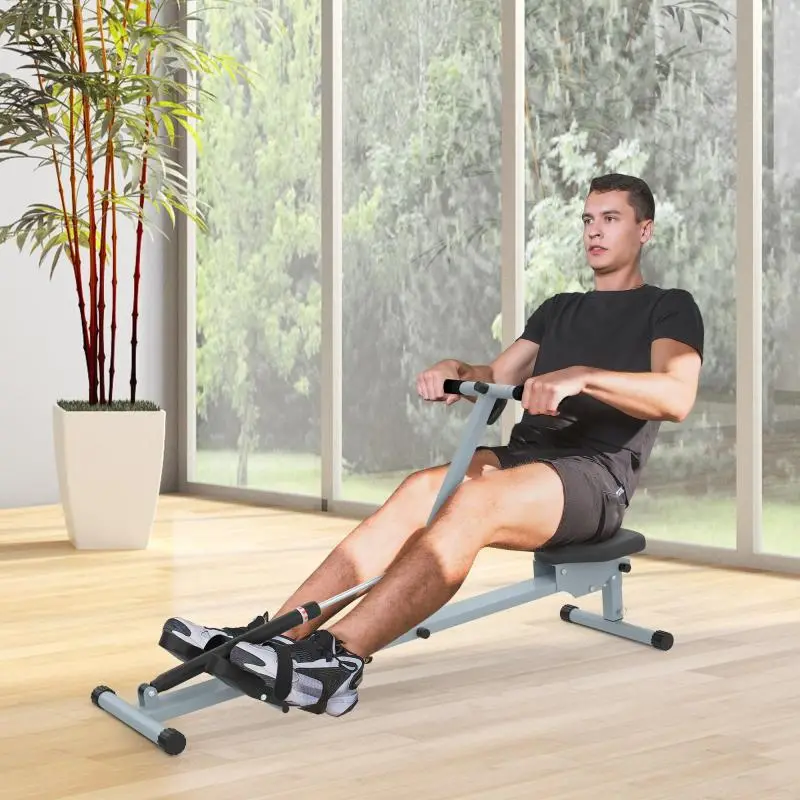
Home Rowing Machine with LCD Monitor
€134.90+ €19.95 delivery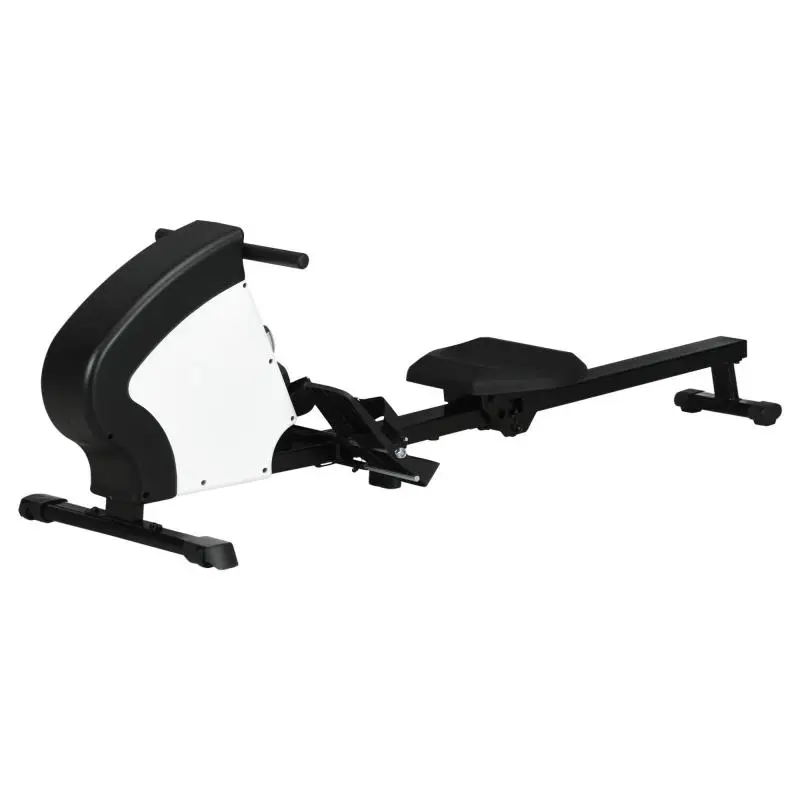
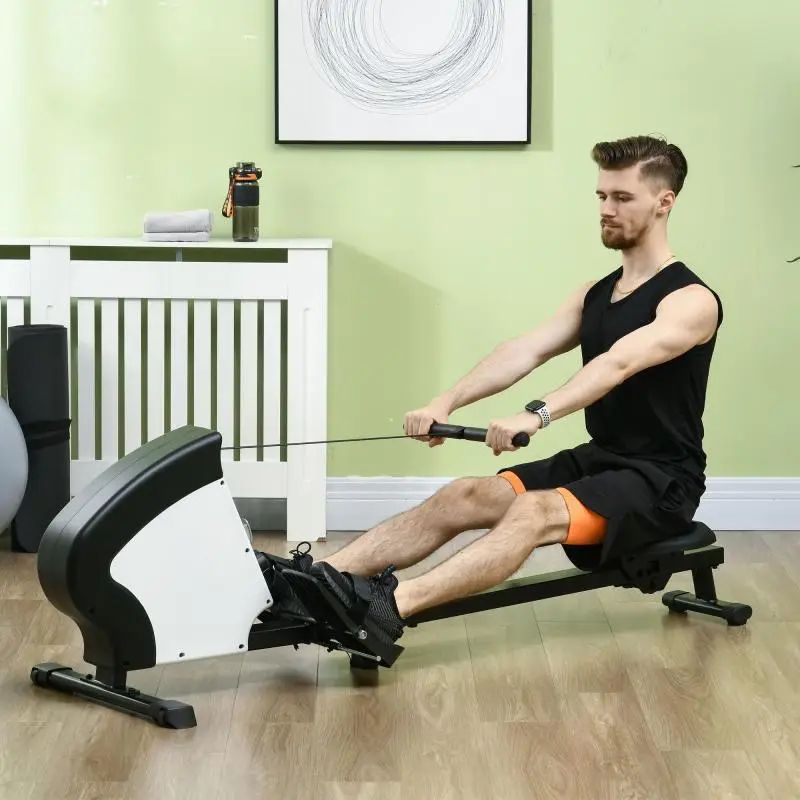
Foldable Home Rowing Machine, 8 Resistance Levels
€274.90+ €29.95 delivery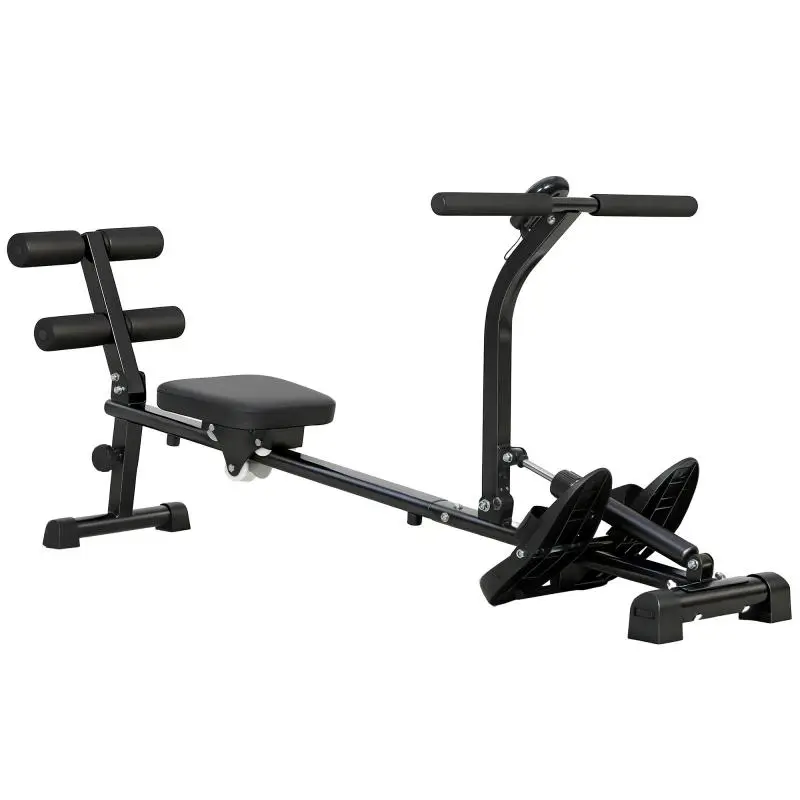

2-in-1 Rowing Machine with 12 Resistance Levels
€109.90+ €19.95 delivery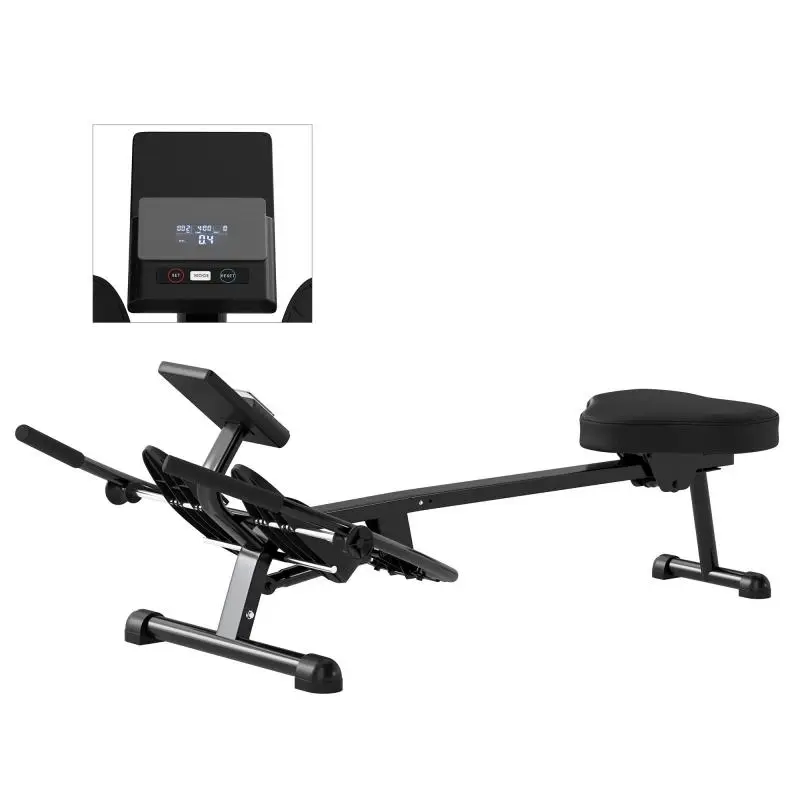
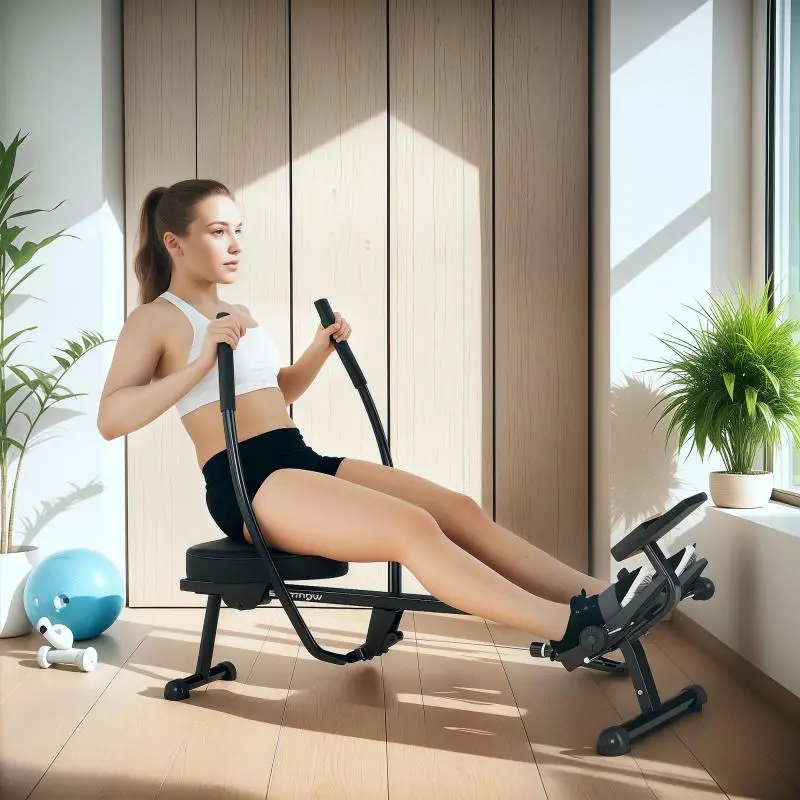
Hydraulic Rowing Machine with LCD Screen, 130 kg
€154.90+ €19.95 delivery