Home Gym Flooring and Exercise Mats: How to Choose

It is easy to spend time choosing dumbbells, a bench or a boxing bag and then forget about what sits underneath them. Yet the right home gym flooring makes workouts more comfortable, protects your floors and helps keep noise down for everyone else in the home. This guide explains how to choose home gym flooring and exercise mats, from thickness and materials to cleaning and care.
Why home gym flooring matters
Whether you train in a spare room, a corner of the living room or a garage, a dedicated floor surface does several jobs at once:
- Protects your floor from scratches, dents and marks caused by equipment and dropped weights
- Cushions your joints during floor exercises, stretching and bodyweight work
- Improves grip, so you are less likely to slip during dynamic movements
- Reduces noise and vibration, which is especially helpful in flats and shared homes
- Defines your workout space, making it easier to get into the training mindset
The best choice depends on what kind of training you do most. A yoga practice has very different needs from a weights corner or a high-energy cardio routine.
Understanding mat thickness
Thickness is one of the first specifications you will see, and it is a balancing act between comfort and stability.
- Thin mats (a few millimetres) feel firm and stable underfoot. They suit yoga and balance work where you need to feel the floor, and they are light and easy to roll up.
- Medium thickness (often around 6 to 10 mm) gives more cushioning for knees, hips and spine during Pilates, stretching and bodyweight exercises.
- Thick mats and panels (1 cm and above) offer the most cushioning and are well suited to sit-ups, floor-based core work and children's tumbling. However, very soft, thick mats can feel unstable for standing balance poses or lifting.
As a rule of thumb, choose thinner and firmer for standing work and balance, and thicker and softer for lying-down exercises and impact protection. If you do a mix, you may find two different types of mat serve you better than a single compromise.
Foldable gym mats vs yoga mats vs rubber tiles
Foldable gym mats
Foldable gym mats are made of several padded panels that fold up like an accordion. They are a popular choice for families because:
- They are thick and cushioned, ideal for floor exercises, stretching and kids' play
- They fold flat for storage under a bed or behind a sofa
- Many have hook-and-loop edges so several mats can be joined together
- Their wipeable covers are generally easy to clean
They are less suited to heavy free weights, as concentrated loads can compress the foam over time.
Yoga mats
A yoga mat is a thin, grippy mat designed for yoga, Pilates and stretching. Look for:
- A non-slip surface on both sides
- Enough length for your height when lying down
- A thickness that matches your practice and joint comfort
- A material that is easy to wipe down
Yoga mats are portable and affordable, but they are not designed to protect floors from heavy equipment.
Rubber tiles and interlocking floor tiles
Rubber tiles and interlocking floor tiles (often in rubber or EVA foam) create a larger, continuous training surface. They are a strong option if you have a dedicated home gym corner:
- Rubber tiles are dense and durable, well suited to areas under weights, benches, racks and boxing bags
- EVA foam interlocking tiles are lighter, softer and quick to lay, good for general workouts and children's play areas
- Tiles can be laid to cover exactly the area you need and lifted again when you move
Rubber flooring can have a noticeable smell when new, so airing it out for a while before use is a good idea.
Matching flooring to your training
To narrow down your choice, think about what you do most often:
- Yoga, Pilates and stretching: a quality yoga mat, perhaps with a thicker mat for floor-based work
- Bodyweight, HIIT and cardio: interlocking foam tiles or a firm exercise mat with good grip
- Free weights and benches: dense rubber tiles to protect the floor and absorb impact
- Boxing bag training: rubber tiles or a thick rubber mat beneath a freestanding bag to help with grip and reduce noise
- Family use and kids' play: foldable gym mats or soft interlocking tiles
Many home gyms end up combining two types – for example rubber tiles under the equipment area and a yoga mat for stretching.
Protecting your floors
Different floor surfaces need slightly different care:
- Wooden and laminate floors can be dented by heavy equipment, so use dense flooring under weights and machines, and avoid dragging equipment across them
- Tiled floors are hard and unforgiving, so cushioning helps both the floor and your joints
- Carpet can make mats and tiles shift; firmer, heavier tiles tend to stay in place better
Whatever your floor, lift equipment rather than sliding it, place larger items on a protective surface, and check from time to time that no moisture is trapped underneath mats – especially in garages or ground-floor rooms. If you have a heated floor or a delicate surface, check the flooring manufacturer's guidance before laying anything on top.
Cleaning and caring for exercise mats
Sweat, dust and grime build up quickly on training surfaces, so a simple cleaning routine keeps everything fresh and hygienic:
- Wipe down after each session with a damp cloth and a mild, diluted soap solution
- Avoid harsh chemicals, which can break down rubber and foam over time
- Let mats dry fully before rolling, folding or stacking them
- Store away from direct sunlight and heat, which can cause fading and cracking
- Lift tiles occasionally to clean underneath and check the floor below
- Follow the manufacturer's care instructions for your specific mat or tile
A towel over your mat during sweaty sessions also helps reduce how often a deep clean is needed.
Frequently asked questions
What thickness of exercise mat is best for home workouts?
It depends on the workout. Thinner, firmer mats suit yoga and standing balance work, while thicker mats give more cushioning for floor exercises and core work. If you do a bit of everything, a medium-thickness mat is a sensible starting point.
Can I put a home gym on a wooden or laminate floor?
Yes, as long as you protect it. Use dense rubber tiles or mats beneath heavy equipment, avoid dragging items, and check underneath occasionally to make sure no moisture or grit is trapped.
Are foldable gym mats good for adults as well as children?
Yes. Foldable gym mats are popular for adult stretching, core work and floor exercises, and their cushioning also makes them a good choice for children's play and tumbling under supervision.
Build your workout space from the ground up
Good home gym flooring is one of the simplest upgrades you can make to your training space, adding comfort, grip and protection for your floors. Whether you need a single yoga mat, a foldable gym mat for the whole family or tiles for a dedicated home gym corner, browse our home fitness range to find what fits your space. Everything ships free from our EU warehouses, typically arriving in about two to five days, with no customs fees.
Related products
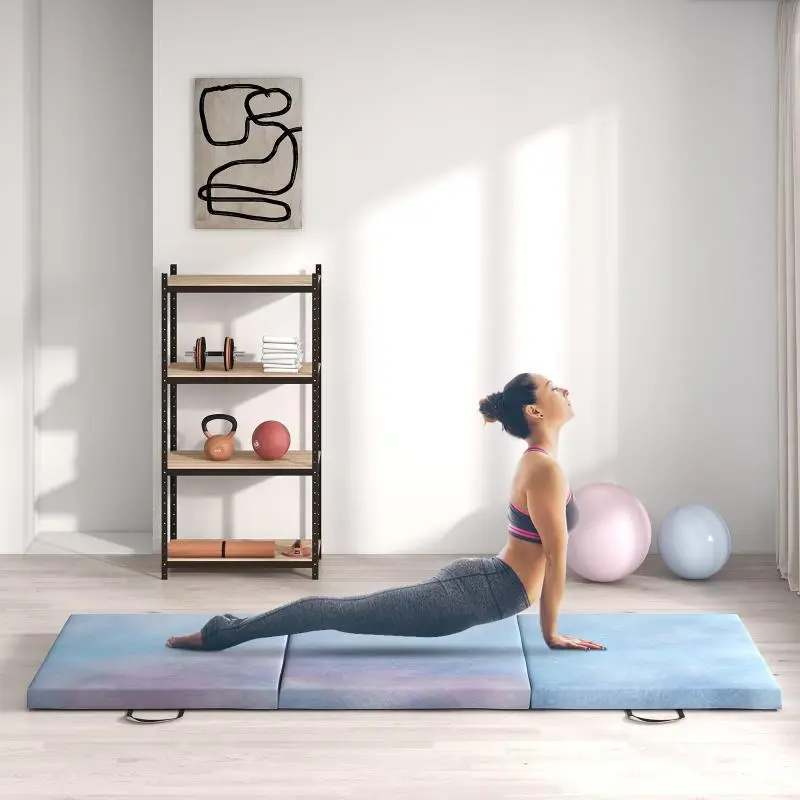
Foldable Gym Mat, 5 cm, Light Blue
€59.90+ €19.95 delivery

Portable Folding Floor Mattress, 200 x 90 x 15 cm
€124.90+ €19.95 delivery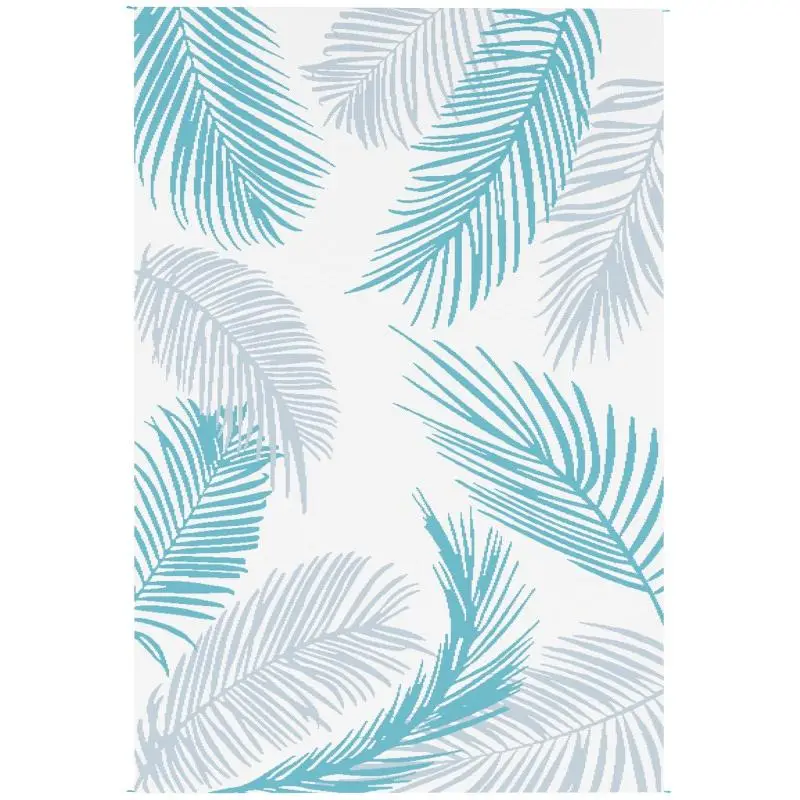

Reversible Outdoor Rug, 274 × 182 cm, Blue
€57.90+ €6.95 delivery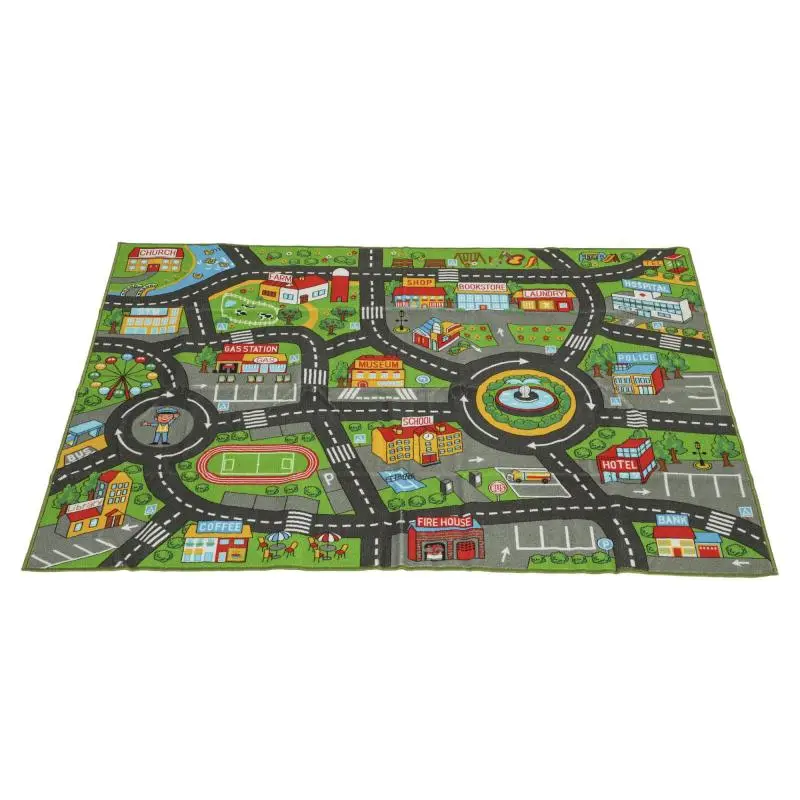

Baby Play Mat, 200 x 150 cm
€72.90+ €6.95 delivery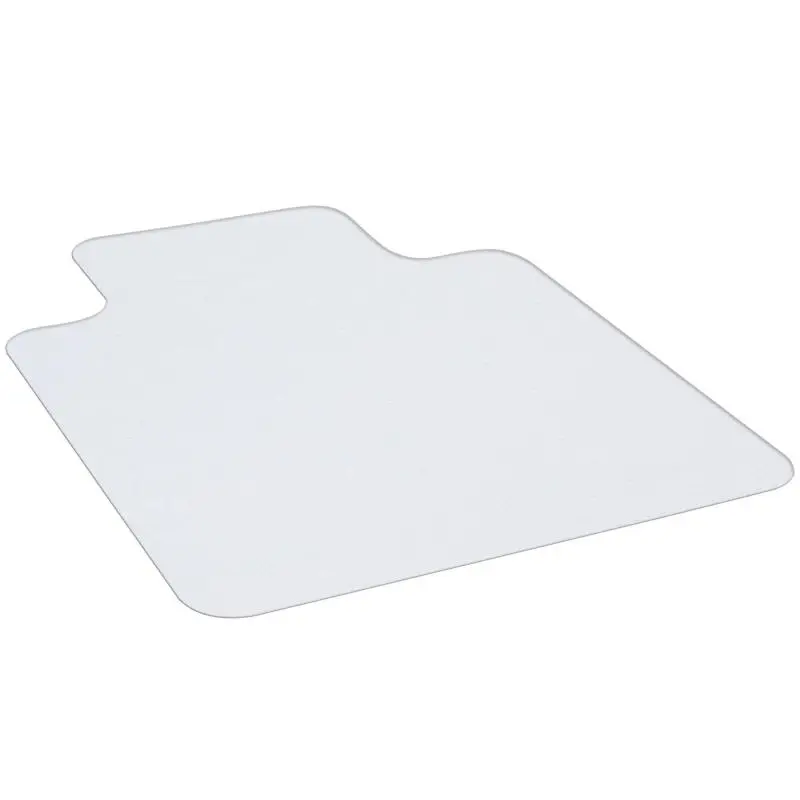
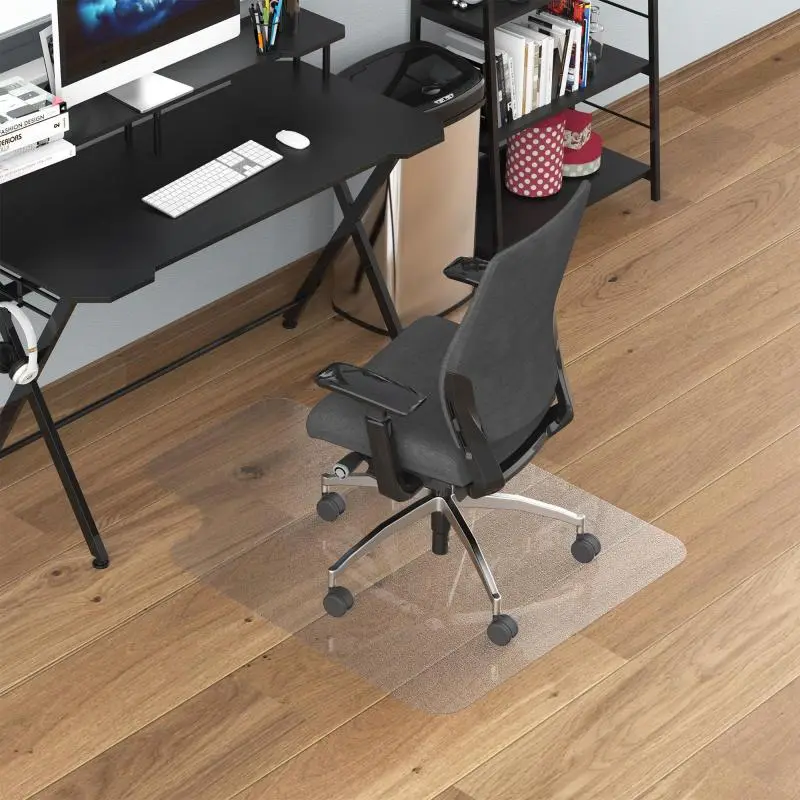
Office Chair Mat, 90 x 120 cm, Transparent
€49.90+ €4.95 delivery