Inversion Tables: What to Know Before You Buy
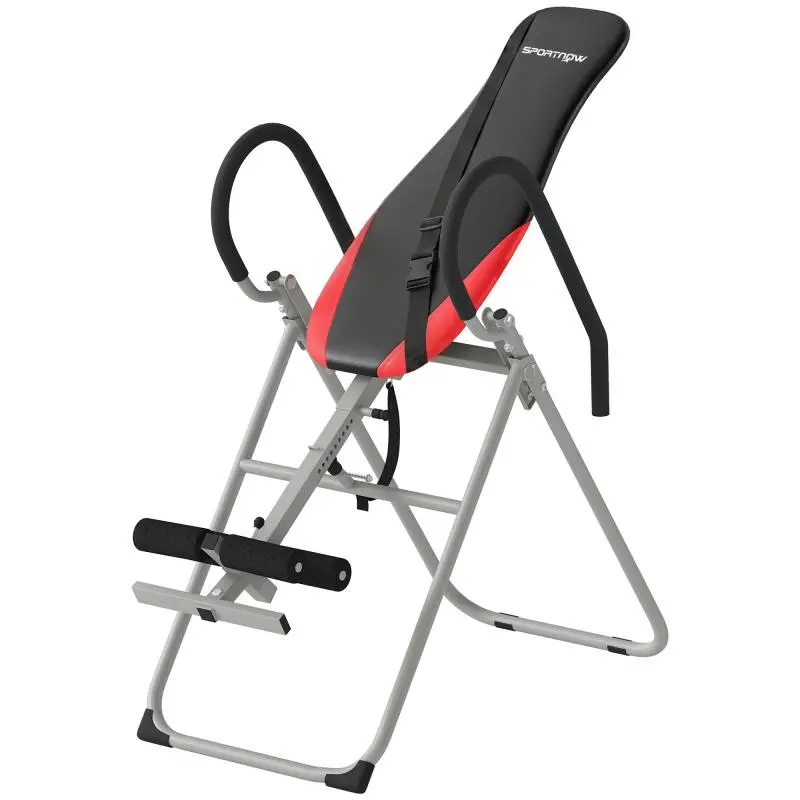
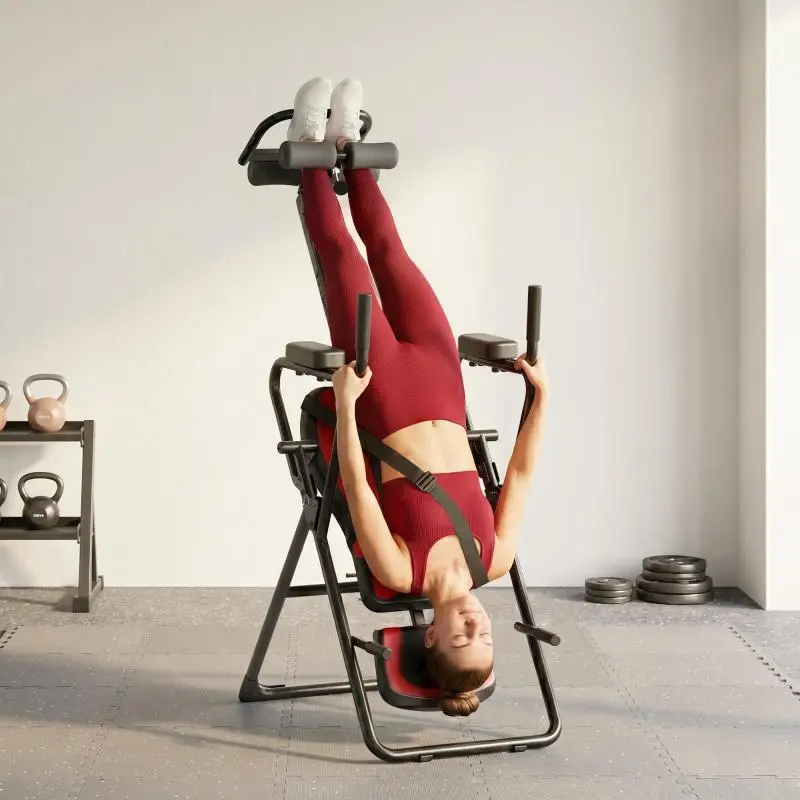
Hanging upside down at home sounds unusual until you see how many people are curious about it. An inversion table lets you tilt backwards on a padded frame, with your ankles secured, so that your head ends up lower than your feet. Before you buy an inversion table, though, it is worth understanding how it works, which features make a difference and, above all, whether inversion is suitable for you.
This guide covers the practical side of choosing and using one. It does not offer medical advice, and it is not a substitute for talking to a doctor.
Talk to a doctor first
Let us start with the most important point. Inversion changes your body position significantly, and it is not suitable for everyone. Before using an inversion table, speak to your doctor or another qualified healthcare professional, and do so especially if you have or have had:
- High blood pressure or any heart or circulation condition
- Eye conditions, such as glaucoma or retinal problems
- Back, spine, joint or bone conditions, or a recent injury or surgery
- Pregnancy, a hernia, or any other condition you are unsure about
- Medication that might affect blood pressure or balance
Only your doctor can tell you whether inversion is appropriate for you. Retailers, including us, cannot and should not make that judgement, and we make no claims that an inversion table will treat or relieve any condition.
How an inversion table works
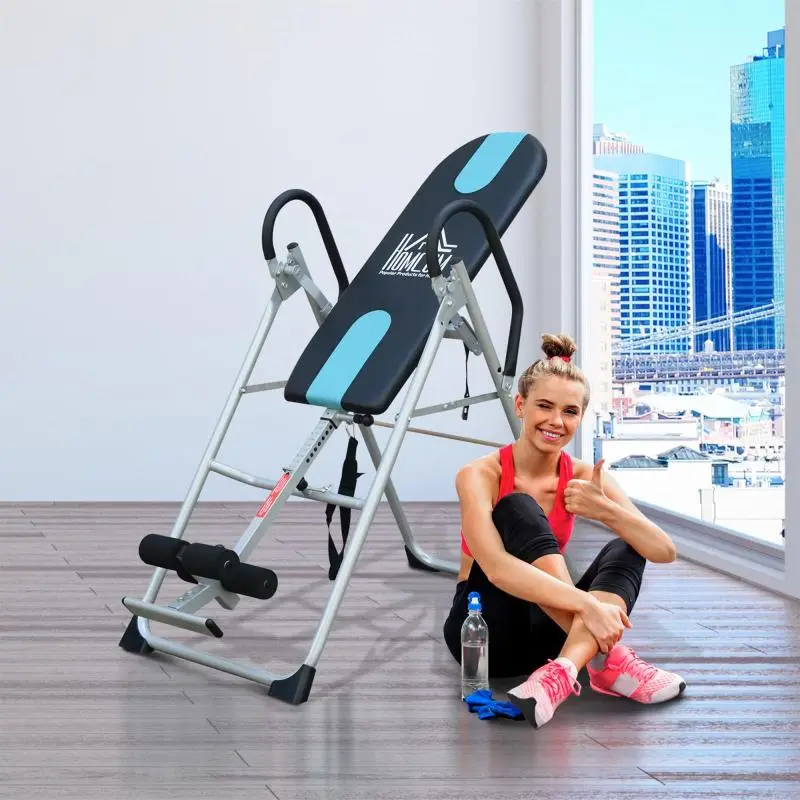
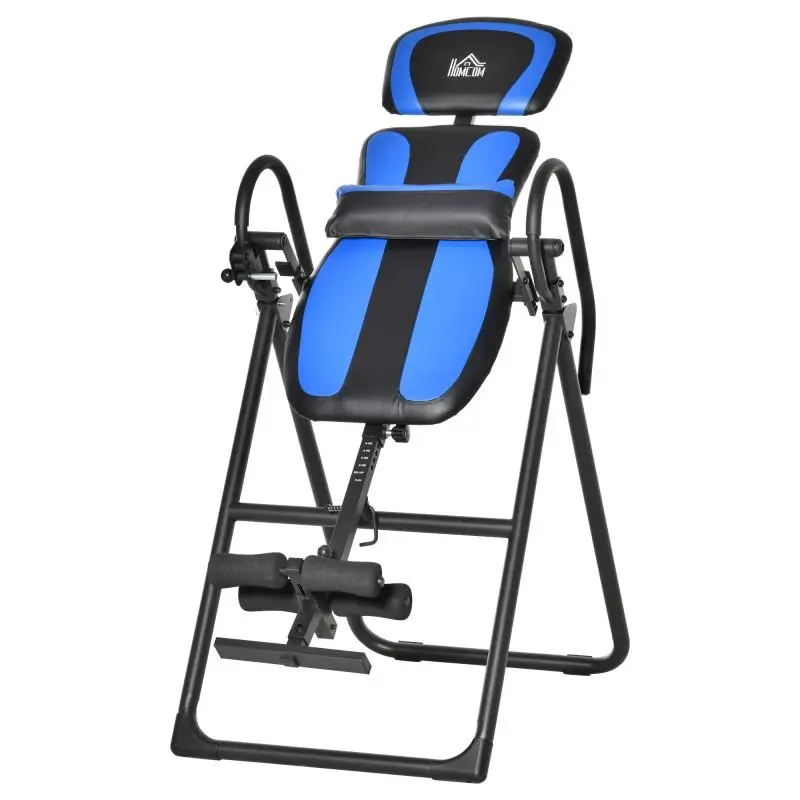
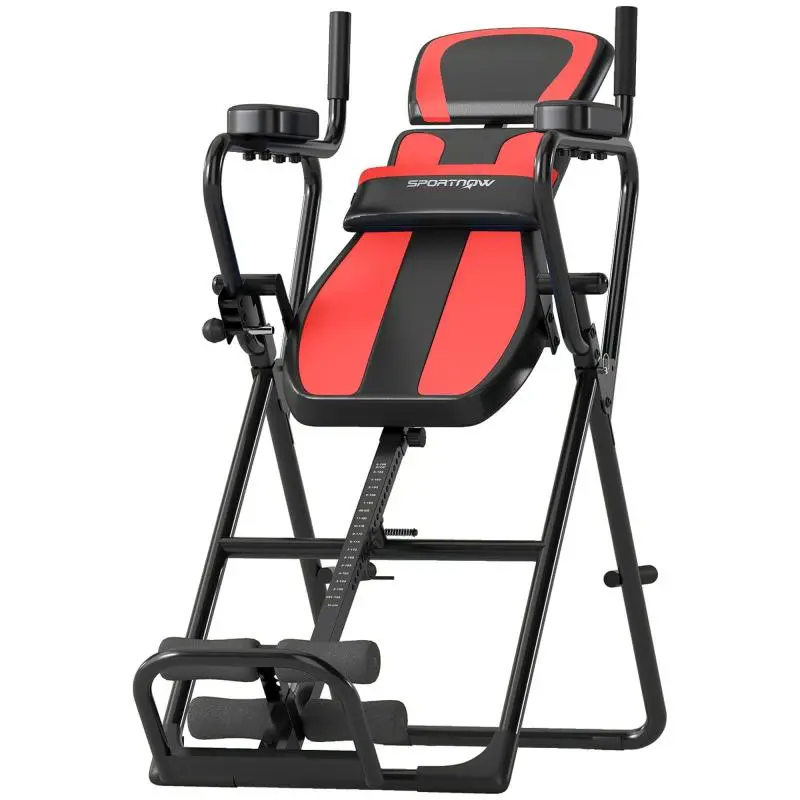
An inversion table is essentially a pivoting frame with a padded back rest.
- You secure your ankles in padded holders or rollers at the foot end.
- You lie back against the table while it is upright.
- The table pivots on a central axis, tilting you backwards to a chosen angle.
- You control the movement, typically by moving your arms. Raising your arms overhead shifts your centre of gravity and tilts you further back; bringing them down to your sides helps you return upright.
Because the table pivots around your centre of gravity, setting it up correctly for your height is essential for smooth, controlled movement.
Key features to compare
Not all inversion tables are built the same. When comparing models, these are the features worth checking.
Adjustable angles and angle limiters
Most tables let you limit how far back you can tilt.
- Angle-limiting systems, such as a tether strap or a pin with set positions, stop the table at a chosen angle.
- Gentle starting angles let you get used to the sensation gradually rather than going fully inverted.
- Clear, easy-to-use markings make it simple to return to the same setting each time.
A table that lets you start at a modest angle and progress slowly is generally a better choice for beginners than one with limited adjustment.
Height and weight limits
Every inversion table has a manufacturer's stated user height range and maximum user weight.
- Check both figures against your own height and weight before buying.
- Consider everyone in the household who might use the table.
- Never exceed the stated limits.
Ankle system
Your ankles carry the load when you are inverted, so the ankle system matters.
- Padded ankle cushions or rollers for comfort.
- A secure locking mechanism that is easy to operate while seated or standing.
- Long handles on the ankle lock can make it easier to reach without straining.
Frame, stability and storage
- A solid steel frame and a wide base for stability.
- Non-slip floor protectors on the feet.
- Folding design if you need to store it between sessions.
- Comfortable back pad, ideally with handles or grips within easy reach.
Setting up your inversion table
Correct setup is not optional. Follow the manufacturer's assembly instructions carefully and check every bolt and pin before your first session.
- Set the height adjustment to match your height, as described in the manual.
- Place the table on a flat, stable surface with plenty of clearance all around, including above and behind.
- Test the balance before inverting. With your ankles secured and arms at your sides, the table should move smoothly and return you upright.
- Check the angle limiter is set to a gentle position for your first use.
Safe first sessions on an inversion table
Even once you have medical clearance, approach your first sessions cautiously. These general tips follow common-sense practice and the instructions typically supplied with inversion equipment. Always prioritise your own table's manual.
- Have someone with you for the first few sessions, ready to help you return upright if needed.
- Start at a small angle, not fully inverted.
- Keep sessions short at first, and increase time and angle only gradually if you feel comfortable.
- Move slowly and smoothly when tilting back and returning upright.
- Breathe normally and stay relaxed.
- Return upright slowly and sit or stand still for a moment before stepping off.
- Stop immediately if you feel dizzy, unwell, experience pain, pressure in your head or eyes, or any other discomfort, and seek medical advice.
- Avoid using the table straight after a large meal.
- Wear secure, supportive shoes so your ankles sit firmly in the holders.
Keep it safe at home
Store the table so that children cannot play on it unsupervised, and check the frame, pins and ankle system regularly for wear.
Frequently asked questions
Who should not use an inversion table?
Anyone with blood pressure, heart, eye, back or other medical conditions, or who is pregnant, should consult a doctor before considering inversion. In practice, the safest approach is for everyone to speak to a healthcare professional first.
How far should I tilt on an inversion table as a beginner?
Start at a gentle angle set by the table's angle limiter and stay there until you feel fully comfortable. Increase the angle gradually, if at all, and always follow your doctor's advice and the manufacturer's instructions.
What size inversion table do I need?
Check the manufacturer's height range and maximum user weight, and make sure both cover you and anyone else who will use it. Also measure your room, as tables need clearance around them when tilting.
Choosing your inversion table
An inversion table can be a considered addition to a home fitness space, as long as you get medical advice first, choose a well-built model that fits you, and start slowly. If you have spoken to your doctor and want to compare options, browse our home fitness range to look at adjustable, foldable models with clear height and weight limits, all shipped free from EU warehouses with delivery in about 2 to 5 days and no customs fees.